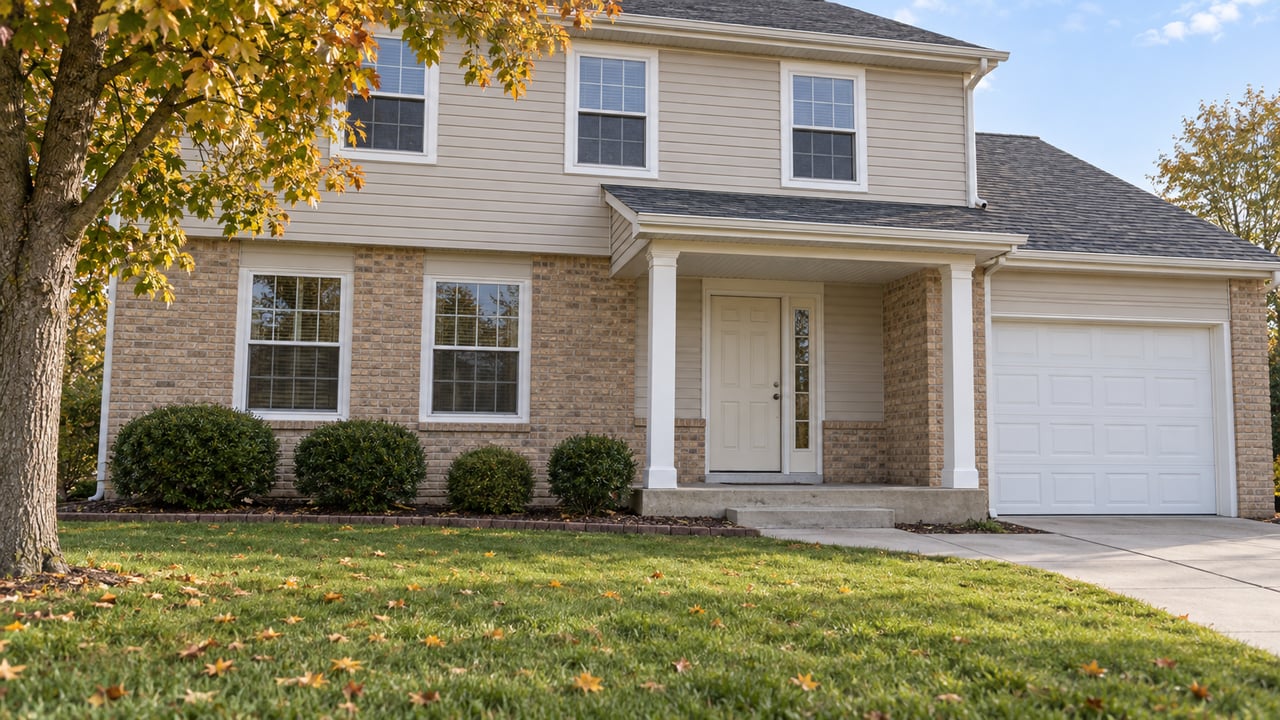
If you are dreaming about more space in Franksville, a hobby property can offer a lot more than a bigger yard. It can mean room for a barn, a garden, equipment storage, or simply more privacy and flexibility. But acreage shopping here is not as simple as finding five acres and falling in love with the view. The right property depends on zoning, access, outbuildings, wells, septic, and future plans. Let’s dive in.
Why Franksville acreage needs extra homework
Franksville sits within the Village of Caledonia in northeast Racine County, and that matters right away when you start looking at land or rural-style homes. Caledonia describes the area as a village with agricultural roots, open spaces, and a mix of residential and commercial growth. That means acreage buyers should expect a zoning-first search, not a typical subdivision home search.
When you buy a hobby property, you are often buying more than the house. You may be buying a barn, shed, pasture area, private drive, drainage features, or older utility systems. Each one can affect how you use the property now and what you can change later.
Start with zoning before acreage
Acreage alone does not tell you what a property can do. In Franksville, two five-acre properties can function very differently depending on the zoning district, whether utilities are available, and whether the parcel has any land constraints.
A-2 agricultural rules matter
In Caledonia’s current zoning code, the A-2 Agricultural district is intended for rural areas where non-farm residential development is limited. It allows general farm practices and one single-family or two-family dwelling. Residential density is capped at 0.2 dwelling units per net acre, and the dimensional standards include a 5-acre minimum lot area, 150-foot minimum lot width, and 75-foot street setbacks.
If you are buying with plans for animals, gardening, equipment storage, or a barn, A-2 may sound appealing. Still, you need to verify how existing improvements fit the code and whether your intended use is allowed as-is.
Legacy districts can affect future plans
Some parcels may still carry older zoning classifications such as A-1 or A-3. Caledonia identifies these as legacy farming districts, and parcels with those classifications must rezone to A-2 or another appropriate district when they are further developed or subdivided.
That is a big issue if you think you may want to split the land later. What looks flexible on paper may require rezoning before any future division or development can happen.
R-1 country estate works differently
Some rural residential properties fall in the R-1 Country Estate district instead of an agricultural district. In R-1, the minimum lot area is 3 acres on sewered lots and 5 acres on unsewered lots.
This is why buyers should never assume that acreage tells the whole story. A five-acre parcel in R-1 may have very different rules than a five-acre parcel in A-2.
Outbuildings can make or break the deal
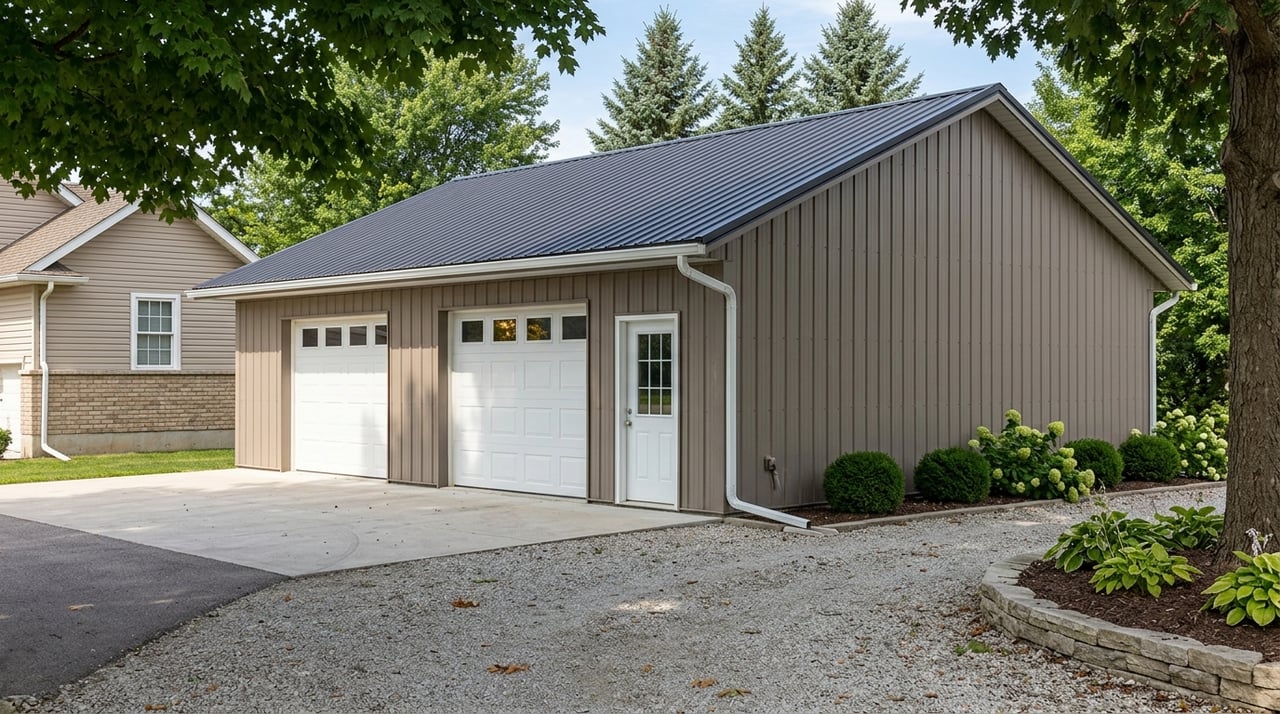
On many Franksville hobby properties, the outbuildings are a major part of the value. A detached garage, pole barn, shed, greenhouse, coop, or utility building may be exactly why a property stands out. But those structures need to be checked carefully.
Permits are a key due diligence item
Caledonia allows accessory structures such as detached garages, gazebos, and garden or utility sheds, but the exact rules depend on zoning, lot size, and placement on the parcel. Racine County notes that detached accessory structures that are 36 square feet or larger need a building permit.
The county lists common examples that include sheds, pole barns, garages, greenhouses, tree houses, gazebos, decks, and outdoor pools or spas. If a seller cannot provide permit history or records for additions, that deserves a closer look.
Larger structures bring more requirements
Caledonia’s accessory-structure guidance says structures that are 250 square feet or larger must be on a concrete slab. Structures that are 400 square feet or larger require a plat of survey showing setbacks, elevations, and drainage.
This matters if you are planning to keep, expand, or replace an existing building. A barn that looks useful at first glance could come with compliance issues if it was not properly permitted or placed.
Size and setback rules vary by district
In residential districts, accessory buildings on parcels under 5 acres are capped at 1,500 square feet and 17 feet in height. Parcels of 5 acres or more may allow more, but they still must follow code rules for location and lot lines.
In the agricultural district, accessory structures may reach a height of twice their distance from the nearest lot line. Aggregate floor area is generally limited to 3 percent of lot area unless the parcel is 10 acres or more and the building is solely for agricultural use.
Some ag buildings can come before the house
Caledonia also allows agricultural accessory structures before a house exists, but only in specific cases. The parcel must include at least 10 contiguous acres, the structure must be intended for agricultural use, it must meet the relevant principal-structure setbacks, and it must sit at least 100 feet from any existing residence on adjoining parcels.
That is helpful to know if you are looking at land with a barn already in place but no primary residence yet.
Access and boundaries deserve close review
Large parcels can hide problems that are easy to miss during a casual showing. A long driveway, tree line, ditch, or fence does not always tell you where legal boundaries begin and end.
A survey can save you surprises
Caledonia’s FAQ says a pre-purchase survey is a good idea, especially on larger parcels or where lot lines are not obvious on the ground. That can help you confirm boundaries, setbacks, building placement, and whether improvements cross lines you did not expect.
For acreage buyers, a survey is often one of the smartest early investments in the process.
Easements and private drives matter
The same village FAQ explains that an easement gives another party the right to use part of a parcel. A common example is a driveway easement.
If a property uses a private drive or shared access, ask who owns the road right-of-way and whether any maintenance agreement exists. You should also ask whether a culvert permit was needed for the driveway approach.
Rural access may require culverts
Caledonia’s right-of-way access application notes that rural access often includes open ditches and culvert pipes. Racine County says a culvert is required in most rural applications.
That may not sound exciting, but it can affect cost, approvals, and future improvements. It is especially important if you plan to widen access or bring in larger vehicles.
Seasonal road limits can affect timing
Caledonia also warns that seasonal weight restrictions often arrive during spring thaw. If you plan to move heavy equipment, install a barn, or bring in septic or foundation materials, timing can matter.
A great parcel is still a project site, and road limits can delay that project if you do not plan ahead.
Floodplain and split potential are not side issues
Many buyers focus on acreage and overlook how much of the land is actually usable. Floodplain, access, and utility limits can all affect what you can build or divide later.
Check floodplain status early
Caledonia defines dryland access as a street or driveway above flood elevation that provides physical access to a property in the 100-year floodplain. New homes and businesses built in the floodplain must have it.
Racine County also notes that surveyors should delineate the exact floodplain location and that FEMA flood maps are part of the analysis. If any part of a parcel may be affected, confirm it early rather than after you are emotionally committed.
Future lot splits are never guaranteed
If your long-term plan includes creating a second lot, verify that possibility before you make an offer. Caledonia warns that some land cannot be divided because it is too small, lacks potable water or wastewater disposal, or sits in a floodway.
In other words, future split potential is a zoning and site-condition question, not just an acreage question.
Wells and septic need real attention
Many acreage properties in Franksville rely on private wells and private onsite wastewater systems. These systems can work well, but buyers should understand what they are taking on.
Well testing is a smart step
Wisconsin DNR recommends testing private well water annually for bacteria and nitrate, with arsenic testing every five years for most users. Racine County Public Health offers free well-test kits, though the lab fee still applies.
For buyers, a private-well inspection can be valuable even though it is not required at transfer. If one is done, the DNR says it must be performed by a licensed water well driller or licensed pump installer, and the inspection should include checking for unused wells and sampling for coliform bacteria, nitrate, and arsenic.
Older parcels may have more than one well history
The DNR also suggests checking well construction records. That can be especially important on former farmsteads or larger parcels where an older unused well may still exist.
Unused wells can create groundwater risk, so they should never be treated as a minor detail.
Septic affects remodeling and expansion
On the septic side, Racine County says all unsewered areas fall under its POWTS jurisdiction. A sanitary permit is required before a zoning or building permit can be issued for an unsewered parcel.
That means you should confirm whether a property is sewered or on a private onsite wastewater treatment system before you assume you can add onto the house, finish a project, or change the use of the property.
Long-term septic maintenance is part of ownership
Racine County also operates a POWTS maintenance program. The county says owners are responsible for keeping the system in compliance, and the tank should be checked and pumped by a licensed septage hauler if it is more than one-third full of sludge and scum.
That is normal rural ownership planning, but it should be part of your budget and decision-making from the start.
Smart questions to ask before you offer
If you are serious about buying acreage or a hobby property in Franksville, ask these questions early:
- What is the exact zoning district, and is it A-2, R-1, or a legacy district?
- Are there recorded easements, private road agreements, or culvert permits?
- Is the property sewered or served by a private POWTS system?
- Are well records, septic records, and maintenance information available?
- Were all outbuildings properly permitted?
- Is any part of the parcel in floodplain or shoreland?
- Can the parcel be split later based on zoning and site conditions?
- Is a survey available, and does it reflect current improvements?
These questions help you move from excitement to clarity. That is where confident buying decisions happen.
Why local guidance matters
Acreage and hobby properties can be rewarding, but they are rarely simple. The right home may also need the right surveyor, well professional, septic review, zoning confirmation, and permit follow-up.
That is where local experience really helps. When you work with people who know the Racine County and Caledonia process, you are better positioned to spot issues early, ask the right questions, and negotiate with a clearer view of the property.
If you are thinking about buying acreage or a hobby property in Franksville, the Tony Veranth Team can help you evaluate listings, navigate local details, and move forward with confidence.
FAQs
What zoning should you check when buying acreage in Franksville?
- You should confirm the exact zoning district, such as A-2 Agricultural, R-1 Country Estate, or a legacy district like A-1 or A-3, because acreage alone does not determine how a property can be used.
What permits matter for outbuildings on Franksville hobby properties?
- Detached accessory structures that are 36 square feet or larger need a building permit, and larger structures may also require a concrete slab or a plat of survey depending on size.
What should you know about wells on Franksville acreage properties?
- Many properties use private wells, and Wisconsin DNR recommends regular water testing. A transfer well inspection is optional, but it can help you check water quality, construction records, and any unused wells on the parcel.
What should you know about septic systems on Franksville acreage?
- Unsewered properties fall under Racine County POWTS rules, and a sanitary permit is required before a zoning or building permit can be issued for an unsewered parcel.
Can you split acreage later in Franksville?
- Maybe, but not always. Caledonia says some land cannot be divided because of lot size, potable water limits, wastewater disposal limits, or floodway restrictions.
Should you get a survey when buying a large parcel in Franksville?
- Yes, a pre-purchase survey is a smart step on larger parcels because it can help confirm lot lines, easements, setbacks, and whether existing improvements are correctly located.