Looking at homes in Wind Point can feel exciting and a little tricky at the same time. This is a distinctive Lake Michigan village with a strong identity, limited inventory, and a mix of home types that can surprise buyers who expect one uniform neighborhood. If you are considering a move here, it helps to understand how the market works, what varies from one property to the next, and where extra due diligence matters most. Let’s dive in.
Wind Point offers a unique buying experience
Wind Point is a residential village in northeast Racine County along Lake Michigan. The village is closely associated with the Wind Point Lighthouse and Wingspread, and the lighthouse grounds are open to the public daily.
That setting gives Wind Point a character that feels different from many other nearby markets. You are not just shopping for a house here. You are also choosing a lake-oriented setting where location inside the village can shape your day-to-day experience.
Wind Point is a small-volume market
One of the most important things to know as a buyer is that Wind Point is a low-volume housing market. That means broad market averages can be less reliable than they would be in a larger city or suburb with many monthly sales.
Recent data points do not line up perfectly. Realtor.com shows 7 active listings with a median asking price of $484,500 and a typical 98 days on market, while Redfin shows a 3-month median sale price of $447,000 and 153 days on market for the period ending May 2026.
That does not mean the data are wrong. It means the sample size is small enough that a few listings or sales can shift the numbers quickly. For you as a buyer, the practical takeaway is simple: focus closely on the specific home, its condition, its ownership structure, and its exact location rather than relying too heavily on one village-wide headline number.
Wind Point compared with nearby options
If you are also considering nearby areas, Wind Point sits in an interesting middle ground. North Bay is the closest comparison if you want another small lakefront community, while Racine’s north side offers a more affordable and more active alternative.
North Bay’s official materials describe it as fully developed with 97 homes and just under 210 residents, and the village says its entire geography is zoned for single-family residential use with business operations prohibited. By comparison, Wind Point presents more variety in housing forms and settings.
Racine, on the other hand, is a much more liquid market. Redfin’s snapshot for Racine city shows a median sale price of $225,000, 36 days on market, and 225 homes sold in May 2026. If your budget, timeline, or preference leans toward more inventory and faster comparisons, Racine may feel easier to shop. If you want Wind Point’s distinct lakefront village setting, you should be prepared for a more selective process.
Home styles vary more than many buyers expect
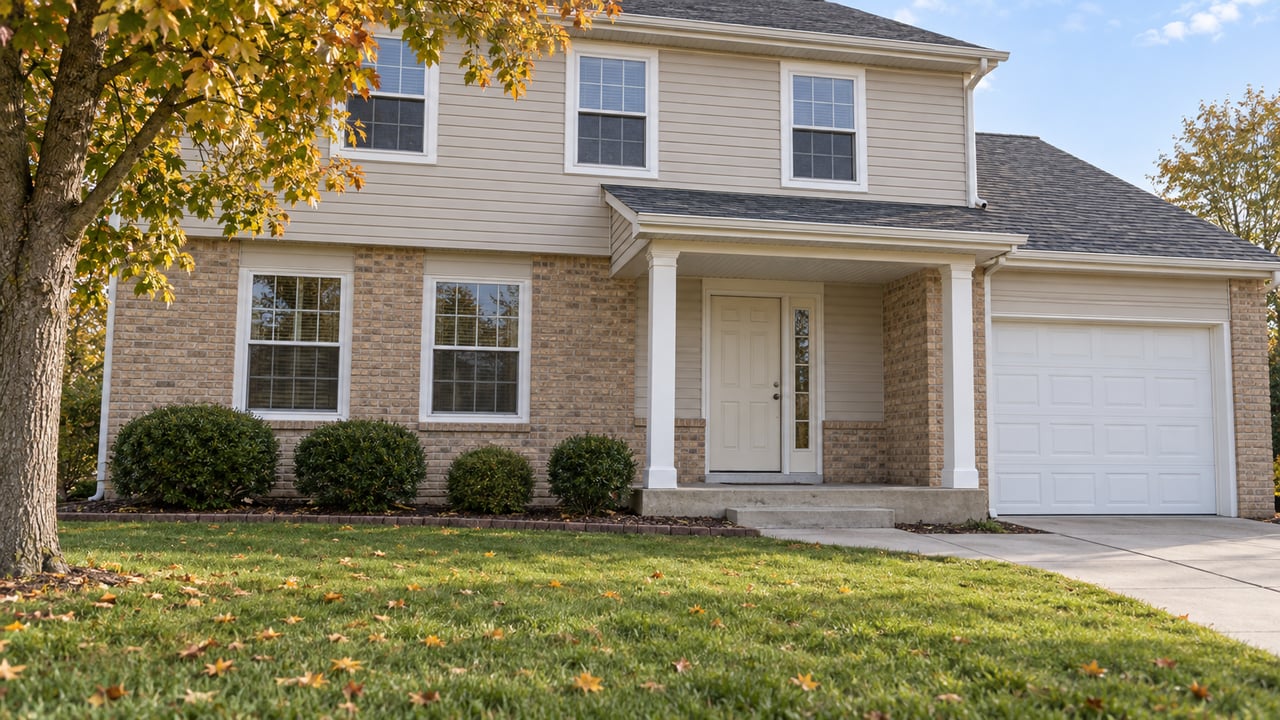
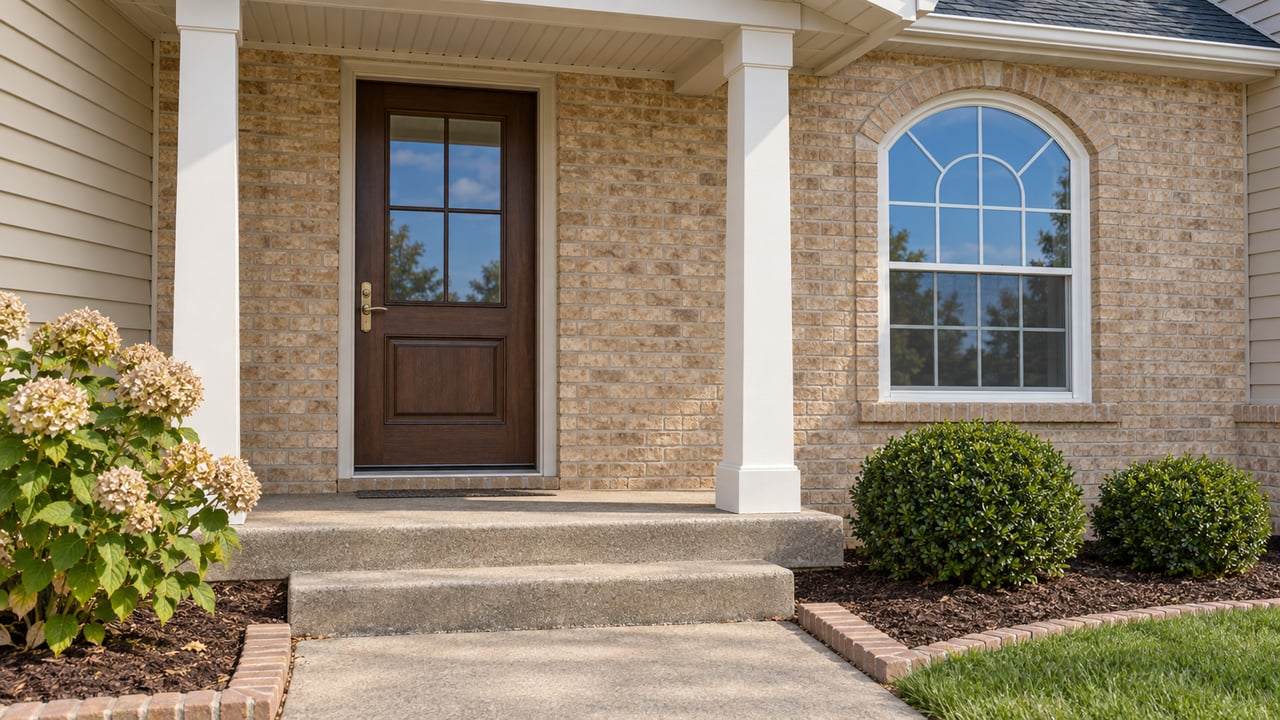
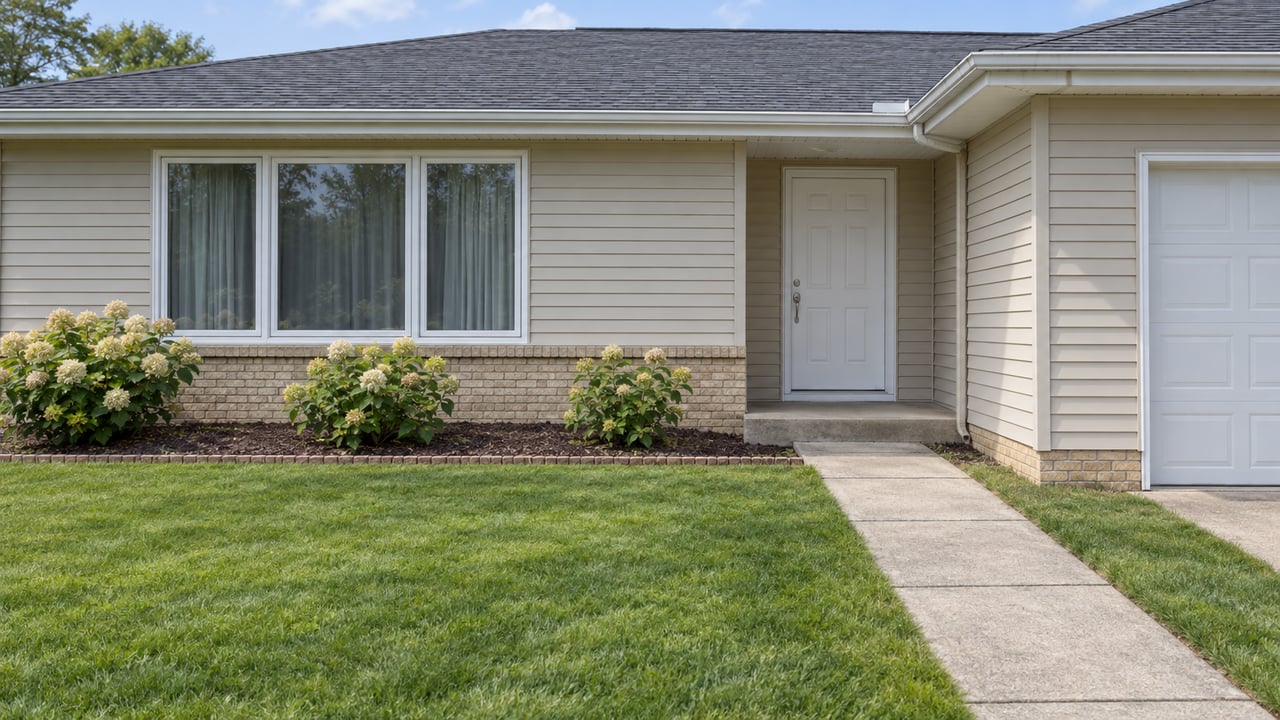
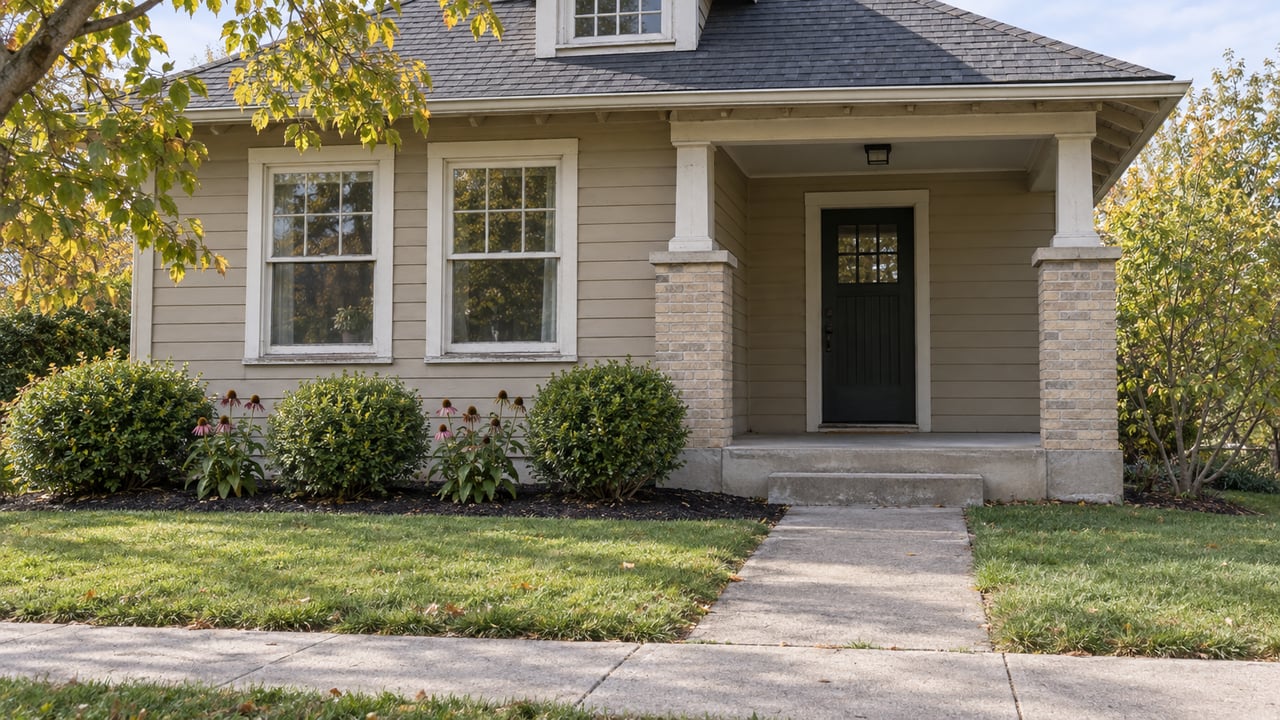
Some buyers assume Wind Point is made up mostly of larger detached homes on similar lots. In reality, recent listings show a wider range of options.
Examples have included a Tudor on a 0.40-acre cul-de-sac lot, a contemporary brick home in Lake Meadowview, and homes in Wind Meadows that involve condo or manor-style living. That means two listings with similar square footage may offer very different ownership structures, maintenance responsibilities, and outdoor space.
The village’s 2035 land-use plan supports that idea of variety. It shows residential areas ranging from high-density neighborhoods with less than 6,200 square feet per dwelling unit to suburban residential areas with 1.5 to 2.99 acres per dwelling unit.
For buyers, this is a reminder to look beyond bedroom and bathroom counts. Lot size, setting, privacy, and ownership type can differ a lot across the village.
Wind Meadows deserves special attention
Wind Meadows is especially important if you are comparing ownership options in Wind Point. Village budget history describes it as a cluster-home development with condominiums, patio, village, and manor homes, along with privately built single-family residences set around wooded and open areas near a lagoon called Meadow Lake.
That mix can be attractive because it gives buyers more than one way to live in Wind Point. At the same time, it means you need to clarify what you are buying before you write an offer.
Ask questions such as:
- Is the property fee-simple or condo-deeded?
- Is there an HOA or condo association?
- What exterior maintenance is shared?
- How much private yard space comes with the home?
- Are there rules that affect exterior changes or landscaping?
These details can shape your monthly costs, your maintenance obligations, and how much flexibility you have after closing.
Lake proximity changes the feel of each location
Wind Point’s lake setting is a major draw, but not every part of the village lives the same way. The Wind Point Lighthouse is a public destination, with grounds open daily, tower tours on certain dates, and event use for the hall and south lawn.
Because of that public access, streets near Lighthouse Drive and the lakefront park area may feel more active than a typical quiet residential pocket. A home a few blocks inland may offer a different rhythm than a property close to the lighthouse grounds or directly near the shoreline.
This does not make one location better than another. It simply means you should match the property’s setting to your lifestyle. If you value a more tucked-away feel, you may prefer an inland location. If you enjoy being close to a local landmark and the lakefront, a more active area may suit you well.
Shoreline homes need deeper due diligence
If you are considering a lakefront, bluff-adjacent, or shore-oriented property in Wind Point, extra diligence is worth your time. Local and state rules can affect what owners may do with structures, vegetation, erosion control, and shoreline improvements.
The village’s shoreland-wetland-floodplain ordinance applies to development in regulated floodplain areas. It states that the nearest part of certain open-sided or screened structures must be at least 35 feet landward from the ordinary high-water mark, with no more than 200 square feet of total floor area in the shore-yard setback area. The ordinance also limits tree and shrub clearing in that 35-foot strip.
Wisconsin DNR guidance adds another layer. The DNR regulates activities below the ordinary high-water mark, while local governments regulate setbacks and upland work in shoreland zones and floodplains. The DNR also notes that seawalls below the ordinary high-water mark require a permit, shoreline erosion control projects often need review, and natural vegetation is generally preferred for stabilization.
For you, that means any shoreline, riprap, retaining wall, drainage, or bluff-related work deserves careful review before closing. Ask for records, permits, and repair history rather than assuming older improvements were approved correctly.
Erosion and drainage should be part of your review
The Root-Pike Watershed Initiative plan documents accelerated erosion along bluffs in sections of Lake Michigan within the Wind Point watershed. That is not a reason to rule out the area, but it is a practical reason to ask better questions.
When reviewing a property near the lake or a ravine, focus on:
- Past grading work
- Drainage patterns on the lot
- Bluff or slope maintenance history
- Retaining walls or stabilization efforts
- Water movement after storms
- Long-term upkeep costs
A beautiful lake setting can come with added maintenance responsibilities. Understanding those early helps you make a more confident decision.
Permits matter more than buyers think
In Wind Point, local permits can come into play for more projects than many buyers expect. The village’s building permit application shows that remodels, additions, decks, pools, footing and foundation work, occupancy work, and other projects can trigger permits, plan review, occupancy permits, special inspections, and possibly an Architectural Review Board step.
Village materials also note the roles of the Planning Commission, Architectural Review Board, and Board of Zoning Appeals, along with zoning administration that reviews site plans, issues permits, and conducts inspections. In plain terms, this means buyers should not treat past exterior work as routine just because it looks complete.
Before you write an offer, it is smart to verify whether major updates were properly approved. This is especially important for additions, shoreline improvements, drainage changes, fences, decks, and exterior alterations.
What to verify before making an offer
Because inventory is limited and each property may have unique factors, your pre-offer review should be practical and property-specific. A short checklist can help you stay focused.
Here are key items to verify:
- Ownership type, including fee-simple, condo, or HOA-governed status
- Association documents, dues, and maintenance responsibilities
- Permit history for additions, decks, pools, and exterior changes
- Documentation for shoreline stabilization or drainage work
- Any ravine, bluff, or lake-related repairs
- Lot size and how usable the outdoor space really is
- The home’s exact setting in relation to the lighthouse, lakefront activity, and public areas
In Wind Point, these details can matter as much as price per square foot. A well-located, well-documented home may justify moving quickly. A property with permit uncertainty or shoreline questions may deserve a more cautious approach.
Why local guidance matters in Wind Point
Wind Point is one of those markets where local context really helps. Two homes can appear similar online but differ in setting, ownership structure, permitting history, and long-term upkeep in ways that have a real impact on value and livability.
That is why buyers often benefit from a clear, local read on the village rather than a generic market summary. In a small market, informed comparisons and strong due diligence can make a meaningful difference in the outcome.
If you are thinking about buying in Wind Point, the right plan is usually a balanced one: move decisively when a strong property comes up, but slow down enough to confirm the details that matter. If you want experienced, local guidance on Wind Point homes and the broader Racine market, reach out to the Tony Veranth Team.
FAQs
What makes Wind Point homes different from nearby Racine homes?
- Wind Point is a smaller, lower-volume village market along Lake Michigan, so buyers often see more variation in home style, lot size, ownership structure, and day-to-day setting than they would in a larger nearby market.
What should buyers check before buying a lakefront home in Wind Point?
- Buyers should review shoreline conditions, drainage, erosion history, retaining walls, stabilization work, and any permits or approvals related to improvements near the ordinary high-water mark or within shoreland areas.
What types of homes can buyers find in Wind Point?
- Buyers may find detached single-family homes, larger lots in some areas, and properties in developments such as Wind Meadows that can include condominiums, patio homes, manor homes, and other clustered residential options.
What should buyers know about Wind Meadows in Wind Point?
- Wind Meadows includes a mix of housing types and ownership forms, so buyers should confirm whether a home is condo-deeded or fee-simple, what maintenance is shared, and what association rules or dues apply.
Why can Wind Point market data be harder to interpret?
- Wind Point has relatively few listings and sales, so median prices and days on market can shift quickly based on a small sample, making individual property analysis especially important.