If you work in Milwaukee but want more breathing room at home, Franklin deserves a serious look. You may be trying to balance commute time, housing options, and everyday convenience without giving up the suburban feel you want. The good news is that Franklin can make that balance possible, especially if you understand how location within the city affects your routine. Let’s dive in.
Why Franklin Works for Milwaukee Commuters
Franklin sits about 10 miles south of downtown Milwaukee in southwestern Milwaukee County. It is part of the I-94 corridor, which gives commuters a practical connection to Milwaukee and other parts of Southeast Wisconsin.
The citywide mean travel time to work is 23.3 minutes, which gives you a useful benchmark when thinking about daily life here. That number is not a guaranteed drive time to downtown Milwaukee, but it does suggest Franklin remains a workable option for many commuters.
Freeway Access Shapes the Commute
One of Franklin’s biggest strengths is access to major roads. The city highlights connections to I-94, I-894, U.S. 41/45, and WIS 36, and that freeway network is the core reason Franklin can work well for someone commuting into Milwaukee.
In daily life, many drivers use local corridors like Loomis Road, Ryan Road, Rawson Avenue, 27th Street, and Forest Home Avenue to reach the freeway system. That means your exact home location inside Franklin can make a noticeable difference in how easy your morning and evening drive feels.
Current Road Work Matters
Commute planning is not just about distance. As of June 2026, WisDOT reports that I-94 eastbound between 35th Street and 25th Street is closed through late 2026, and resurfacing work is also happening at the Mitchell Interchange.
If you are considering Franklin, it is smart to think about your likely route before you buy. Ongoing road work can affect drive times, so checking current conditions through 511WI can help you plan more accurately.
What Daily Life in Franklin Feels Like
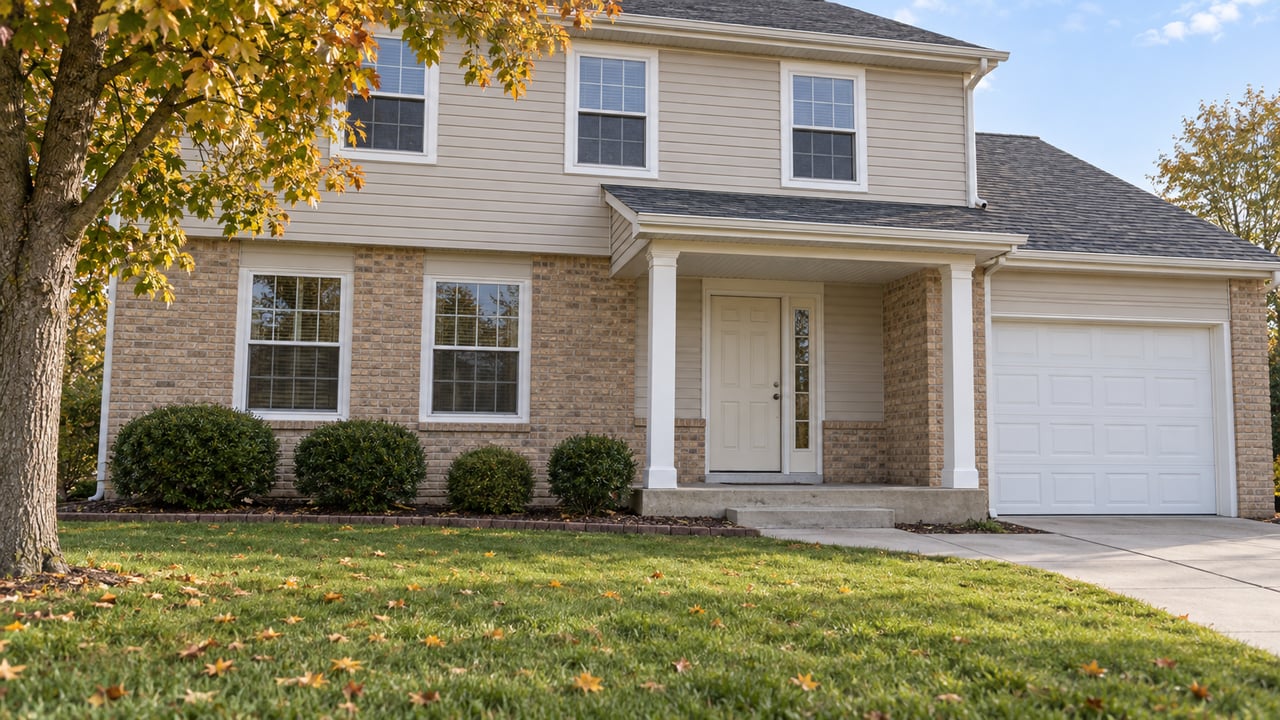
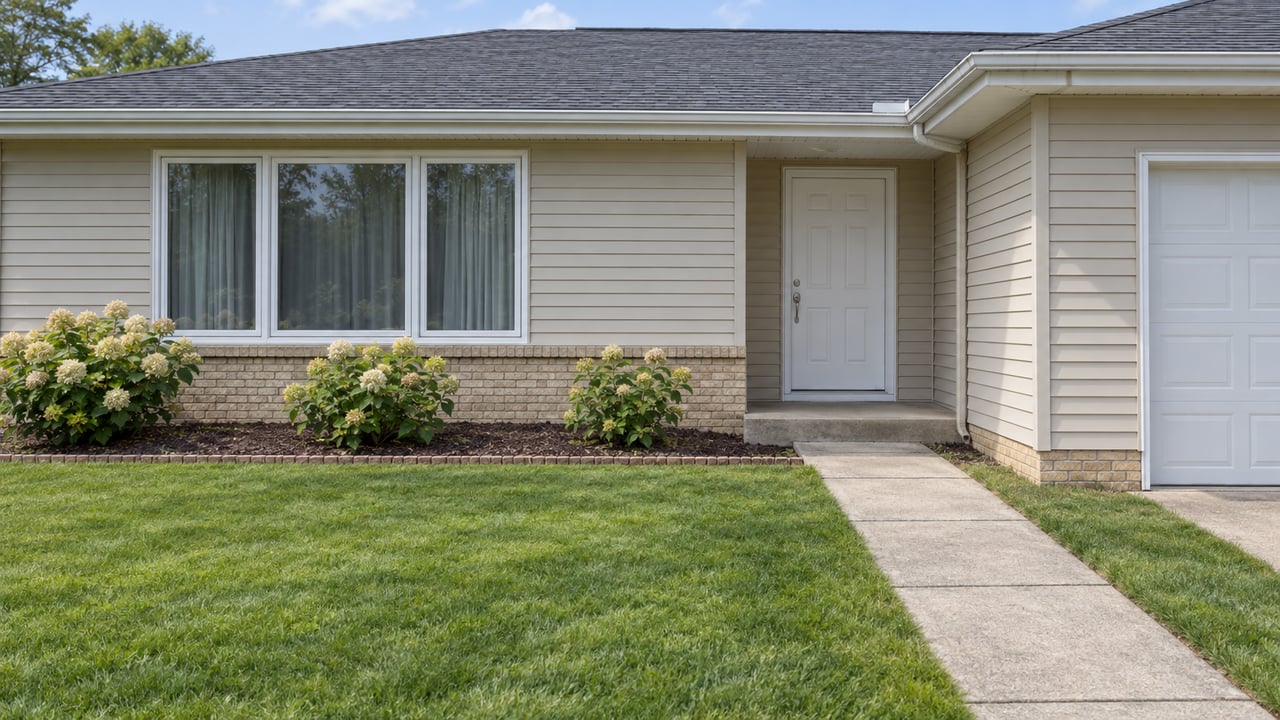
Franklin offers a suburban setting that appeals to buyers who want more space and a calmer home base while staying within reach of Milwaukee. The city continues to emphasize single-family suburban development, though its housing mix also includes condos, duplexes, apartments, and senior housing.
That gives you more variety than some buyers expect. If you are relocating or moving up from a denser area, Franklin may offer the kind of layout and housing style that better fits your next stage.
Housing Options in Franklin
Franklin’s housing profile leans strongly toward ownership. Census QuickFacts show a 77.3% owner-occupied housing rate, a median owner-occupied home value of $364,200, and a median gross rent of $1,458.
For buyers, that points to a more established suburban ownership market. Median monthly owner costs with a mortgage are $2,218, which also helps frame the cost of living conversation if you are comparing Franklin with nearby alternatives.
A More Car-Oriented Layout
Franklin’s land-use plan describes residential development as mostly arranged in adjacent subdivisions connected by interconnecting roads. The same plan notes that many developments do not include sidewalks or trails.
In practical terms, that often means Franklin feels more car-oriented than a denser suburb or city neighborhood. If walkability is high on your list, you will want to pay close attention to the specific area and how close it is to your usual stops.
Corridors vs Quieter Streets
A key tradeoff in Franklin is convenience versus a more tucked-away setting. Commercial activity is concentrated along 27th Street, Rawson Avenue, Ryan Road, Loomis Road, and Forest Home Avenue.
Homes closer to those corridors may give you faster access to errands and commute routes. Homes deeper inside subdivision areas may feel quieter and more residential, but they can add a few extra minutes to your routine.
Amenities That Support Daily Routine
A good commute matters, but so does what happens after you get home. Franklin has a local suburban rhythm supported by amenities like the Franklin Public Library on W. Loomis Road and a parks system with 250.3 acres of land, 11.2 miles of bike trails, and 16 recreational facilities.
Those features can make everyday life easier and more enjoyable. Whether you want a place to unwind after work or a simple weekend routine close to home, Franklin offers useful options without needing to drive into Milwaukee for everything.
Regional Access Beyond Work
Franklin also benefits from strong regional positioning. The city says it is 5 miles from Mitchell International Airport, 10 miles from the Port of Milwaukee, and 11 miles from the Milwaukee Multimodal Station.
That can be especially helpful if your work involves occasional travel or if you simply want easier access to regional transportation. Even if your day-to-day commute is by car, those connections add flexibility.
What to Know About Transit
Franklin says it is connected by public transit and FlexRide Milwaukee, but fixed-route transit serves only select portions of the city rather than the whole community. That is an important detail if you hope to rely on transit for work or errands.
Before you buy, verify service for any specific address you are considering. In Franklin, transit availability can vary enough that you do not want to assume every home has the same access.
Growth and Long-Term Appeal
Franklin says 61% of the city, covering 21 square miles, remained undeveloped as of 2023. That suggests there is still room for future growth, though it does not mean all of that land is available or buildable for housing.
For buyers, this can signal long-term change in the market over time. New development, changing corridors, and future housing options may continue shaping how different parts of Franklin feel and function.
Franklin vs Oak Creek and Racine
If you are comparing nearby options for a Milwaukee commute, Franklin often lands in the middle. It offers a more suburban and more owner-occupied feel than Oak Creek or Racine, but it also comes with higher price points.
Oak Creek has a 23.0-minute mean travel time to work, a 57.5% owner-occupancy rate, and a median owner-occupied home value of $331,700. It is a bit closer in and a bit less expensive than Franklin, with a more defined town-center feel at Drexel Town Square.
Racine has a 22.5-minute mean travel time to work, a 60.2% owner-occupancy rate, and a median owner-occupied home value of $166,500. It is the most budget-friendly of the three, but it is also farther south and generally less convenient for a Milwaukee-bound drive.
Who Franklin Fits Best
Franklin tends to work best if you want a practical Milwaukee commute without giving up suburban housing choices. It can be a strong fit if you value single-family living, a more settled ownership market, and access to major freeway routes.
It may be especially appealing if you are weighing the tradeoff between faster access and a quieter residential setting. That is really the central Franklin decision point for many buyers.
How to Shop Smart in Franklin
If Franklin is on your list, focus on how you actually live day to day. Think about when you leave for work, which corridors you would use most often, and how much convenience matters compared with a quieter setting.
As you compare homes, keep an eye on:
- Access to I-94, I-894, U.S. 41/45, and WIS 36
- Distance to corridors like Loomis, Ryan, Rawson, 27th Street, and Forest Home
- Whether transit service is available for a specific address
- How close you want to be to parks, the library, and daily errands
- Whether you prefer a corridor-based location or a home deeper in a subdivision
A home that looks similar on paper can feel very different in daily use based on its location inside Franklin. That is why local guidance matters when you are narrowing down the right fit.
If you are comparing Franklin with other Southeast Wisconsin options, the right choice comes down to your priorities, budget, and routine. The Tony Veranth Team can help you evaluate commute tradeoffs, neighborhood patterns, and housing options so you can move with confidence.
FAQs
Is Franklin, Wisconsin a good place to live if you commute to Milwaukee?
- Franklin can be a good fit for Milwaukee commuters because it is about 10 miles south of downtown Milwaukee, sits in the I-94 corridor, and has access to major highways including I-94, I-894, U.S. 41/45, and WIS 36.
How long is the average commute from Franklin, Wisconsin?
- Franklin’s citywide mean travel time to work is 23.3 minutes, which is a helpful benchmark but not a guaranteed drive time for every Milwaukee-bound commuter.
What kind of homes can you find in Franklin, Wisconsin?
- Franklin offers a mix of single-family attached and detached homes, condominiums, duplexes, small and large apartment buildings, and senior housing, with an ongoing emphasis on single-family suburban development.
Is Franklin, Wisconsin more affordable than Oak Creek?
- Based on Census QuickFacts, Franklin has a higher median owner-occupied home value at $364,200 compared with Oak Creek at $331,700.
Is Franklin, Wisconsin more affordable than Racine?
- No, Franklin is significantly higher priced by median owner-occupied home value, at $364,200 compared with Racine at $166,500.
Does Franklin, Wisconsin have public transit for Milwaukee commuters?
- Franklin has public transit connections and FlexRide Milwaukee, but fixed-route transit serves only select portions of the city, so address-specific service should be verified before you buy.