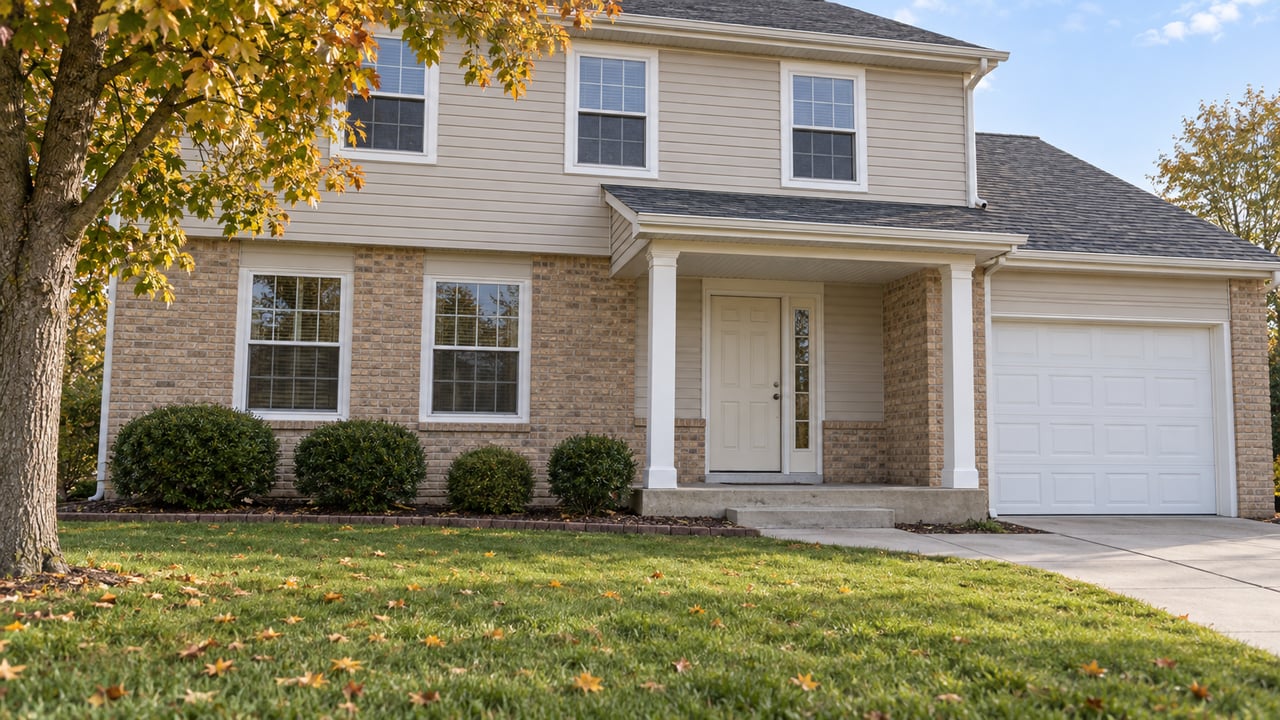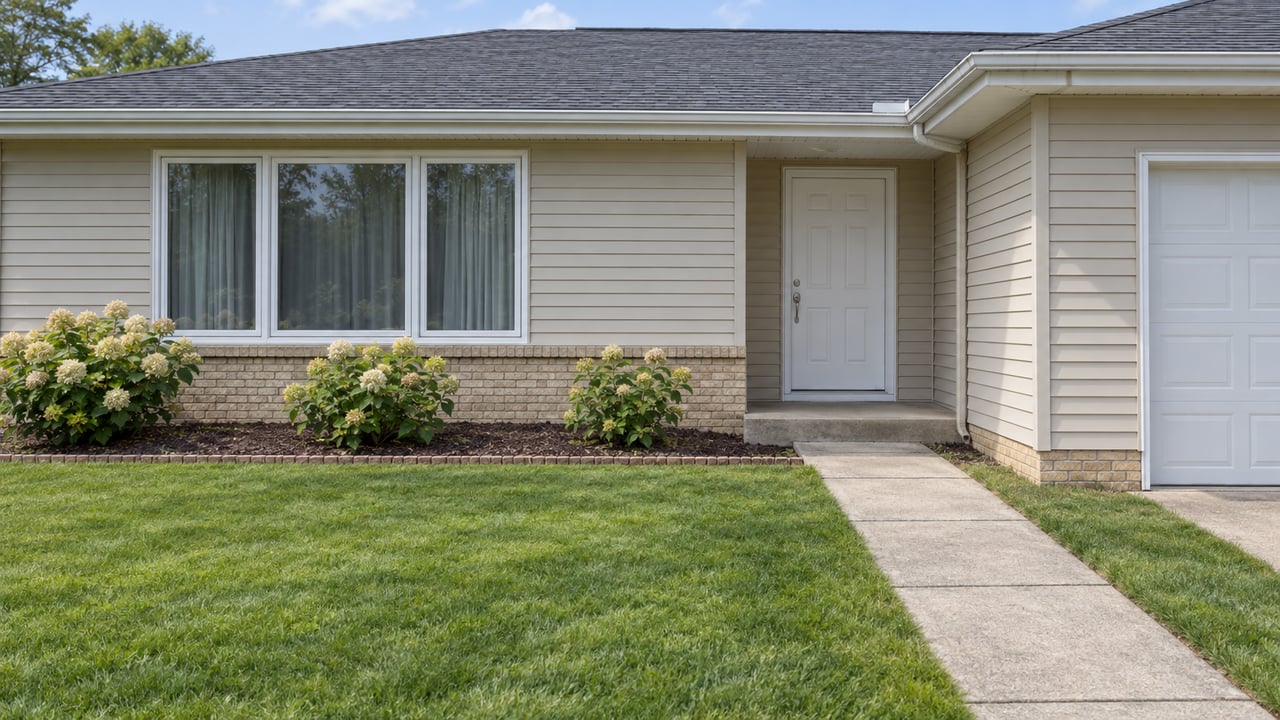
Wondering which home style makes the most sense in Milwaukee? That is a smart question, because in this city, your choice is not just about square footage or price. Milwaukee’s housing stock is older, more established, and full of distinct options, so the right fit often comes down to how you want to live, what kind of upkeep you can handle, and how much flexibility you want. Let’s break it down.
Why home style matters in Milwaukee
Milwaukee is not a market where most buyers are choosing from rows of brand-new homes. According to the City of Milwaukee’s 2025 Housing Affordability Report, more than 42% of housing was built before 1940, and another 32% was built between 1940 and 1959.
That older housing mix shapes your options in a big way. The city has also been at full build-out for more than 30 years, which means new detached homes are usually infill projects rather than homes in large new subdivisions. In 2025, 71 of 76 residential new-construction permits were for single-family homes, while no new residential condominiums came online.
In practical terms, most buyers in Milwaukee are comparing existing bungalows, duplexes, condos, and a smaller pool of newer single-family homes. Each comes with a different balance of cost, maintenance, character, and day-to-day lifestyle.
Compare Milwaukee’s main home types
The city’s 2025 data shows about 90,000 single-family homes, 34,200 duplexes, and roughly 11,200 condo units. Median assessed values were about $197,000 for single-family homes, $178,500 for duplexes, and $180,700 for condos.
That spread is fairly close, which means price alone may not decide your best option. Upkeep, privacy, rental potential, and building rules often matter just as much.
| Home type | Typical appeal | Key tradeoff |
|---|---|---|
| Bungalow | Historic charm, manageable size, fewer stairs | Older-home maintenance and possible lead or code concerns |
| Duplex | Potential rental income or multigenerational setup | Landlord responsibilities and required training |
| Condo | Lower exterior maintenance, simpler lifestyle | HOA dues, rules, and possible assessments |
| Newer single-family | Newer systems and more privacy | Limited supply and often higher cost |
Bungalows offer charm and efficiency
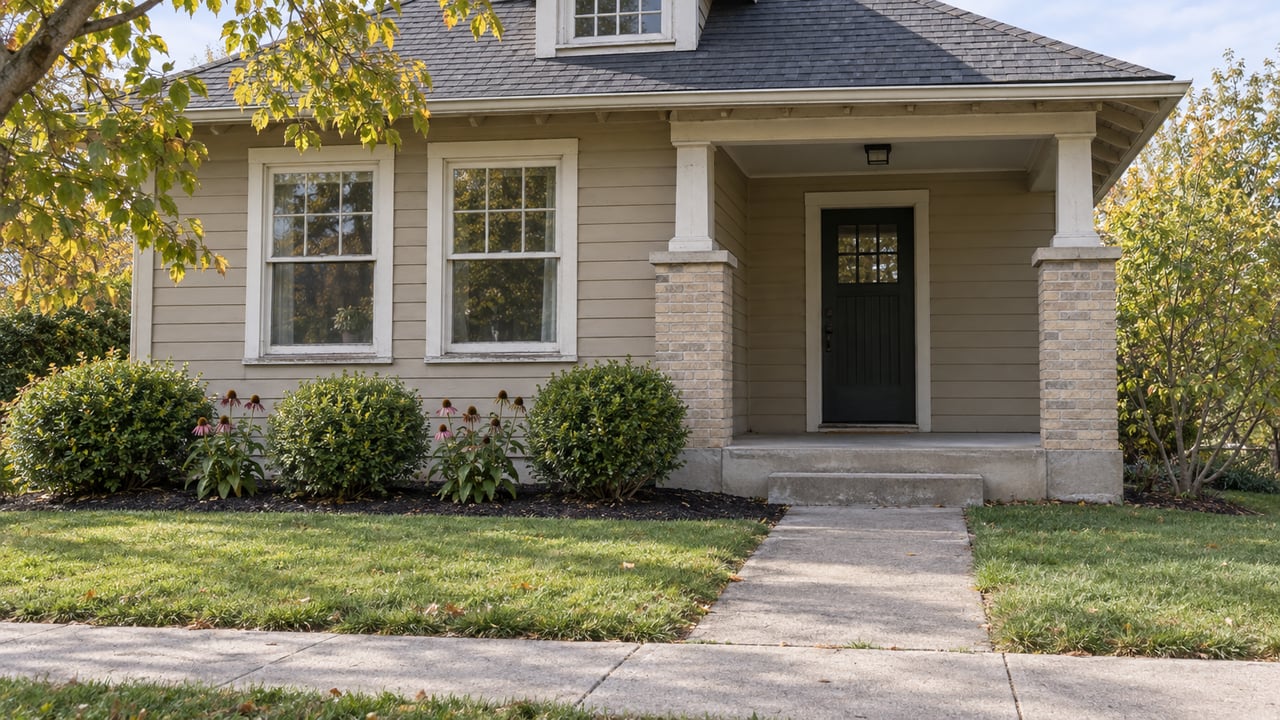
Milwaukee is well known for its bungalows. A city historic study describes the bungalow as the predominant house type of the 1920s, typically one or one-and-a-half stories with a low-pitched roof, a front porch, and an open or connected floor plan.
For you as a buyer, that often means a home that feels efficient and comfortable rather than oversized. Many buyers like the smaller footprint, cozy layout, and fewer stairs compared with taller or more sprawling homes.
Bungalows can be a strong fit if you want character without taking on a huge house. They often appeal to buyers who want original details and a manageable daily routine.
What to watch with a bungalow
Because many Milwaukee bungalows are older, maintenance matters. Roofs, porches, windows, masonry, and major systems may need more attention than you would expect in newer construction.
The city also notes that older housing can have higher chances of code-compliance issues and lead-based paint concerns. If you are looking at a property built before 1978, it is wise to pay close attention to lead-safe repair needs and inspection findings.
If you love older homes, this does not mean you should avoid them. It simply means you should budget carefully and understand the condition before you buy.
Duplexes can add flexibility
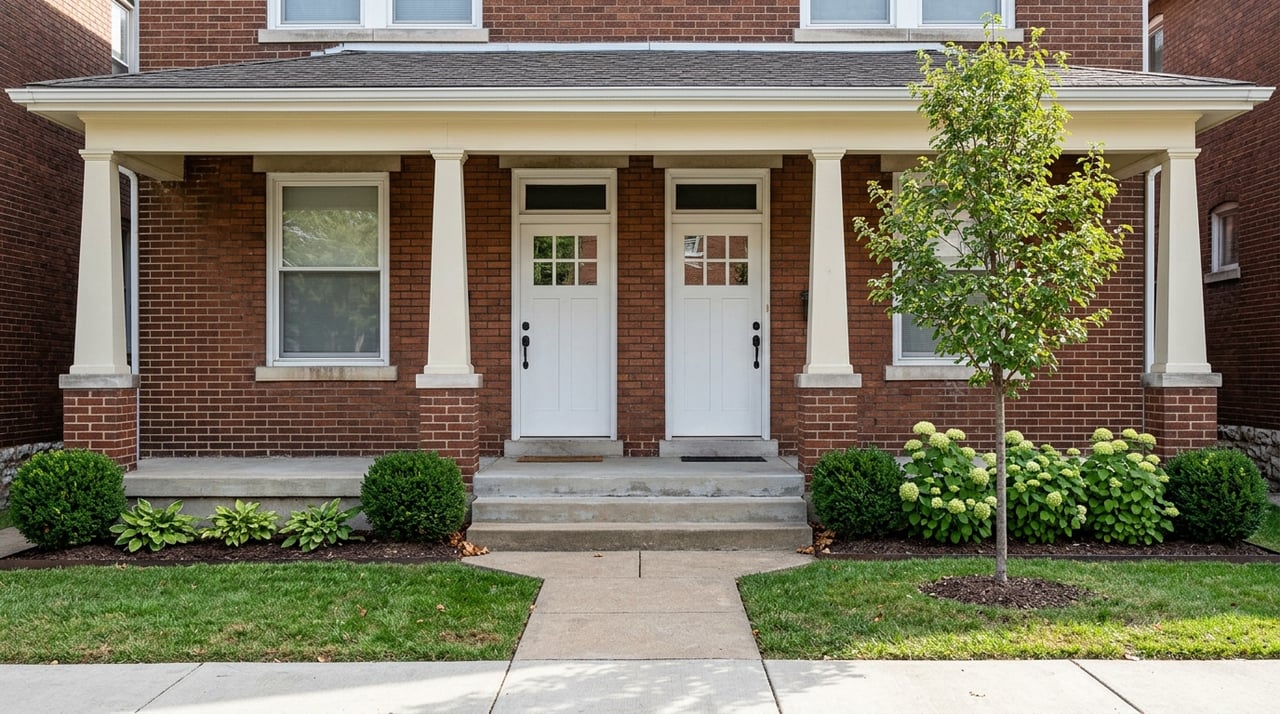
Milwaukee’s classic duplex is one of the city’s signature property types. The city says thousands of upper-and-lower flats were built between about 1890 and 1930, often with raised foundations, front porches, paired entries, and regularly spaced windows.
A duplex can be a practical option if you want more than just a place to live. You may be looking for rental income to help offset your mortgage, or you may want space for extended family while still keeping separate living areas.
The 2025 Housing Affordability Report places the median assessed value of duplexes at about $178,500, which helps explain why they remain a common entry point for buyers in Milwaukee.
Duplex ownership works differently
Buying a duplex is not the same as buying a single-family house. Milwaukee requires landlord training for investor buyers and for owner-occupant buyers purchasing a duplex or multi-family home.
That makes duplex ownership a better fit if you are comfortable with at least some landlord responsibility. Even if you plan to live in one unit, you still need to think through tenant management, maintenance coordination, and the day-to-day realities of a two-unit property.
For the right buyer, that extra responsibility can be worth it. For others, it may feel like too much work compared with a condo or single-family home.
Condos simplify maintenance
If you want a more predictable ownership experience, a condo may be worth a close look. Under Wisconsin condo guidance, you own your unit and hold an undivided interest in the common areas, while the association owns the building and common property.
This setup often reduces your exterior maintenance responsibilities. For many first-time buyers or busy households, that can be a major advantage because yard work and many building-related issues are handled through the association structure.
Milwaukee has about 11,200 condo units citywide, with around 75% owner occupancy. The median assessed value is about $180,700, which puts condos in a similar general price range to duplexes in the city’s 2025 data.
Condo tradeoffs to understand
A condo can simplify life, but it also comes with rules and shared decision-making. You will likely have association dues, and there can be special assessments or loss assessments depending on the building and association needs.
You also have less control over the building as a whole than you would in a detached home. If you value simplicity and reduced exterior upkeep, that may feel like a fair trade. If you want full control, it may not.
Newer single-family homes are scarce
If your top priority is newer systems and a more straightforward maintenance profile, you may prefer a newer single-family home. In Milwaukee, though, this part of the market is limited.
Because the city has been fully built out for decades, new detached housing is usually infill rather than broad new development. In 2025, private new single-family homes averaged about $313,550 per unit, which suggests buyers often pay more for the newer-home experience.
For you, that can mean a simpler ownership start with fewer immediate repairs. It can also mean less inventory, less historic character, and the need to move quickly when the right home appears.
Historic homes need extra planning
If you are drawn to Milwaukee’s older homes, it helps to go in with a plan. The city’s consolidated plan says the age of a housing structure can signal a higher chance of code-compliance issues and lead-based paint concerns.
That is especially important because more than 80% of the city’s housing units were built before 1980. For homes built before 1978, the city encourages owners to review lead materials carefully.
This does not make older homes a bad choice. It just means your inspection strategy, repair budget, and renovation expectations should be realistic from day one.
Historic district rules can affect renovations
Some Milwaukee homes are locally designated historic properties or are located within historic districts. If that applies to a home you are considering, exterior repairs, replacements, alterations, and building permits require a Certificate of Appropriateness before work begins.
That added review can affect your timeline and renovation plans. On the other hand, some eligible projects may qualify for a 20% to 25% state income tax credit, which can matter if you are planning substantial approved work.
Renovation support may help
If you want an older home and expect to make repairs, city programs can also play a role. Milwaukee’s Neighborhood Improvement Project assists eligible owner-occupants of single-family or duplex homes with code, health, safety, and lead-related repairs.
That kind of support will not apply to every buyer or every property, but it is useful context if you are considering a fixer-upper. In some cases, the right home is not just about purchase price. It is also about what resources may help you improve it over time.
How to choose the right fit
The best Milwaukee home style usually comes down to your priorities, not just your budget. Since median assessed values for single-family homes, duplexes, and condos are relatively close, your lifestyle may be the real deciding factor.
Here is a simple way to think about it:
- Choose a bungalow if you want character, a manageable footprint, and a home that feels classic Milwaukee.
- Choose a duplex if you want rental income potential or a multigenerational setup and feel comfortable with landlord duties.
- Choose a condo if you want reduced exterior maintenance, simpler budgeting, and a more hands-off lifestyle.
- Choose a newer single-family home if you want newer systems, more privacy, and are ready to compete for limited inventory.
A good home search starts with honesty about how you want to live. If you are clear on your comfort level with repairs, rules, tenants, and long-term costs, the right option becomes much easier to spot.
If you are weighing Milwaukee home styles and want practical guidance tailored to your goals, the Tony Veranth Team can help you compare options, spot tradeoffs early, and move forward with confidence.
FAQs
What is the most common older home style in Milwaukee?
- Milwaukee is known for its large stock of older homes, and city historic sources identify the bungalow as the predominant house type of the 1920s.
Are duplexes in Milwaukee a good choice for owner-occupants?
- A duplex can be a strong option if you want rental income or a multigenerational layout, but Milwaukee requires landlord training for owner-occupants buying duplex or multi-family property.
Do Milwaukee condos have lower maintenance?
- Condos usually reduce exterior maintenance because the association owns and manages common property, but you still need to account for dues, rules, and possible assessments.
Is new construction easy to find in Milwaukee?
- Newer single-family homes do exist, but they are limited because Milwaukee has been fully built out for decades and most new detached housing is infill.
What should buyers know about older Milwaukee homes?
- Older homes can offer charm and value, but they may also have more repair needs, code-compliance issues, and possible lead-based paint concerns, especially if built before 1978.
Can historic rules affect Milwaukee renovations?
- Yes. If a home is a locally designated historic property or is in a historic district, exterior work and permits require a Certificate of Appropriateness before work begins.