If you have ever driven along the Racine lakeshore and wondered why some homes feel timeless while others feel boldly modern, North Bay is a big part of that story. In this small lakefront village, architecture is not just about curb appeal. It shapes how you live, what you maintain, and how a property may stand out when it is time to buy or sell. If you want to understand what defines North Bay lakefront living, this guide will walk you through the styles, features, and practical takeaways that matter most. Let’s dive in.
Why North Bay Feels Distinct
North Bay is a small, fully developed residential village on Lake Michigan in eastern Racine County. According to the village, it has 97 homes, just under 210 residents, and is zoned entirely for single-family residential use.
That combination gives North Bay a very different feel from a larger subdivision or a typical city neighborhood. With limited housing supply and a strong lakeshore identity, the homes here tend to feel more curated and place-specific. In a setting this small, architecture becomes part of the location’s appeal.
Wrightian Homes Shape North Bay
The clearest architectural signature in North Bay is its collection of Wrightian and Usonian homes. Wisconsin Historical Society records identify several homes in the village designed by John Randal McDonald, a local Wrightian architect who created a number of homes in this style throughout Racine.
These homes are known for their connection to the landscape. In North Bay, that often means low rooflines, strong horizontal lines, natural materials, and layouts that make the most of light and lake views. The style feels especially at home along Lake Michigan because it blends indoor and outdoor living in a very intentional way.
A notable nearby example is the Robert and Rita Albert House on Lighthouse Drive, designed by Edgar Tafel. The Wisconsin Historical Society describes it as a home of stone, glass, and wood set near the end of a bluff overlooking Lake Michigan, with terraces and lake-oriented glazing.
That description helps explain why this style stands out on the lakeshore. These homes are not simply built near the water. They are often designed to respond to it.
What Makes Wrightian Design Stand Out
When you look at Wrightian or Usonian homes in North Bay, a few features tend to stand out:
- Low or hipped roof forms
- Broad horizontal lines
- Use of wood, stone, brick, and glass
- Terraces and strong indoor-outdoor connections
- Window placement oriented toward views and natural light
For buyers, that can create a living experience that feels calm, open, and closely tied to the site. For sellers, those design details can become a major part of the home’s story when marketed well.
International Style Adds Modern Contrast
North Bay’s modernist identity is not limited to Wrightian design. The Sidney Milch House at 3517 North Bay Drive is cataloged by the Wisconsin Historical Society as an International Style house dating to 1938.
For everyday buyers and sellers, International Style usually reads as clean-lined, simple, and low on ornament. It offers a more stripped-down version of modern lakefront architecture, where form and function lead the design.
This style adds another layer to North Bay’s visual character. Instead of one uniform architectural look, the village has a mix of modern homes that approach lakefront living in different ways.
Classic Styles Broaden the Lakeshore Story
While North Bay leans strongly modernist, the broader Racine lakeshore adds older and more formal architectural styles to the conversation. The Wisconsin Historical Society notes that Racine’s Southside Historic District contains one of Wisconsin’s highest concentrations of grand historic houses, including Greek Revival, Victorian, and Prairie School styles.
That larger context matters because many buyers explore the full lakeshore market, not just one village block by block. As you compare homes across Racine’s lake-adjacent areas, you may see everything from formal revival houses to architect-designed Prairie School properties.
The William W. Dingee House on Lake Avenue is identified as a Second Empire home from 1867. The Thomas P. Hardy House on Main Street, designed by Frank Lloyd Wright, is a Prairie School home that turns away from the street and opens toward the lake.
There is also a nearby example at 3100 Michigan Boulevard cataloged as Colonial Revival and Georgian Revival. Together, these homes help show the full range of architecture that defines lakeshore living in this part of Racine County.
How Traditional Homes Feel Different
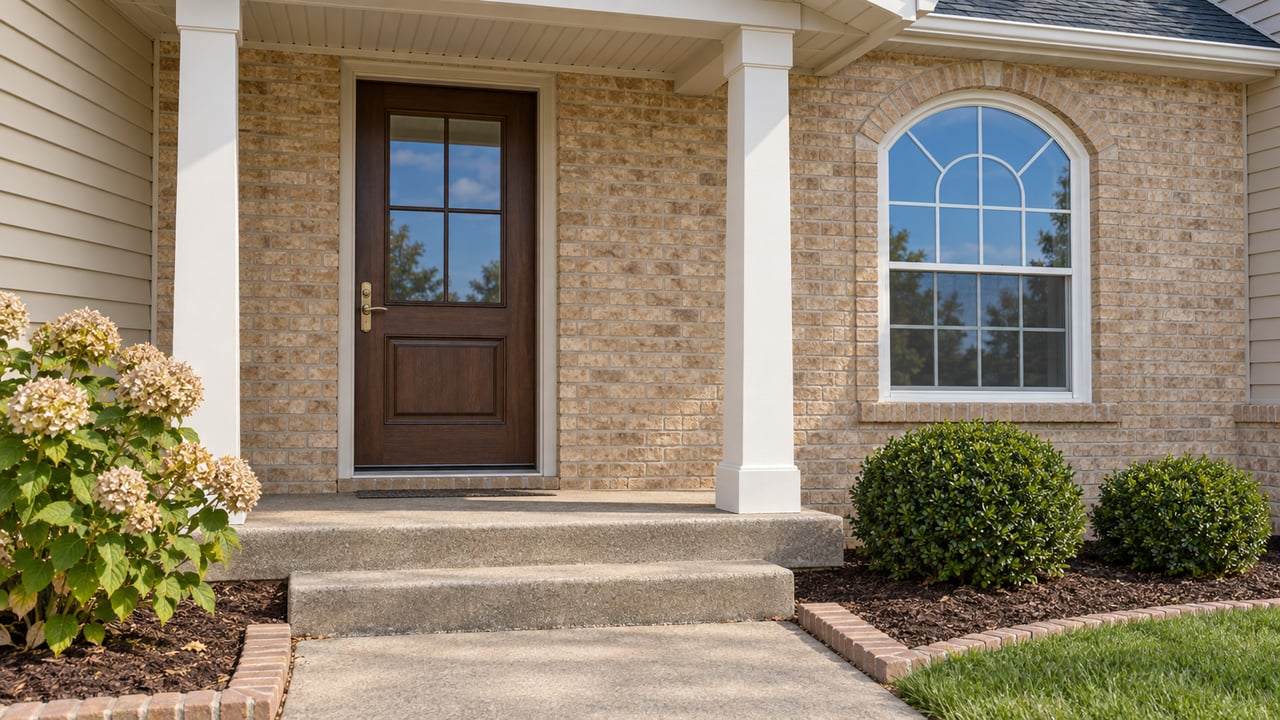
Traditional and revival-style homes usually create a different impression than North Bay’s modernist properties. They often emphasize symmetry, formal massing, and familiar masonry-and-wood detailing.
For some buyers, that feels more classic and approachable. It can also offer a more conventional layout and appearance, which may appeal to people who want lake proximity without a distinctly modern design language.
Ranches and Cape Cods Keep It Accessible
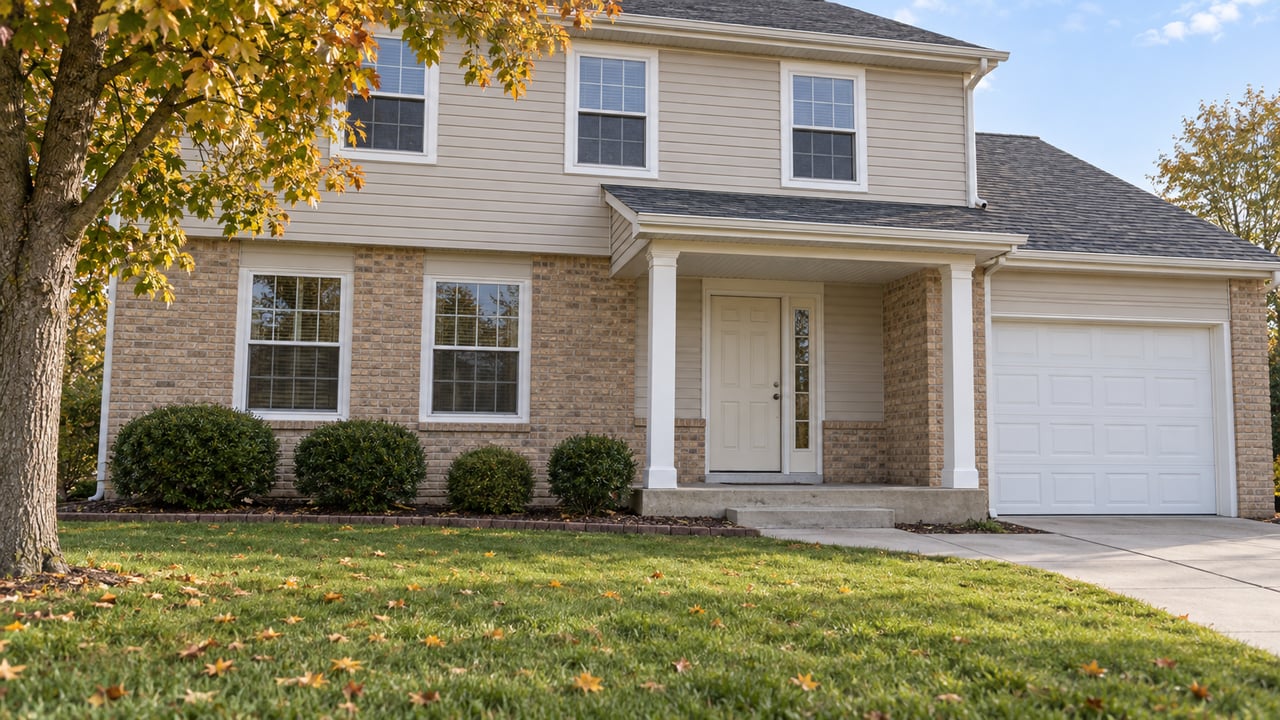
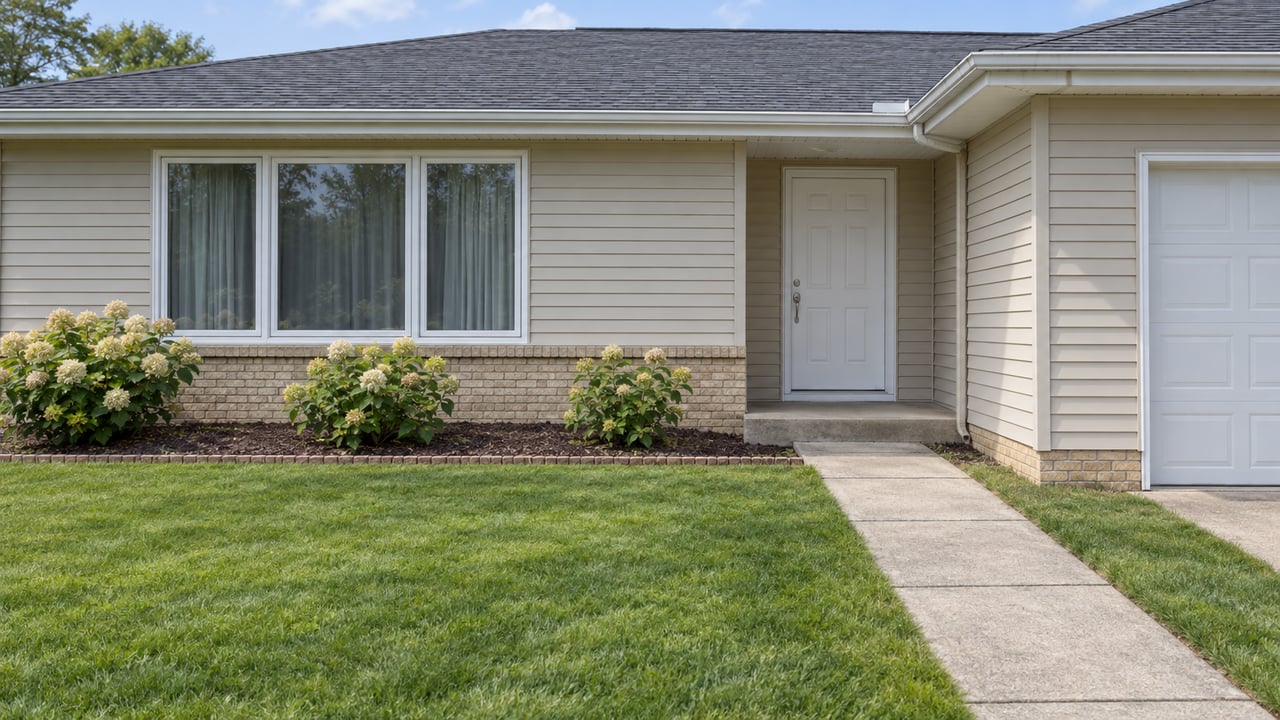
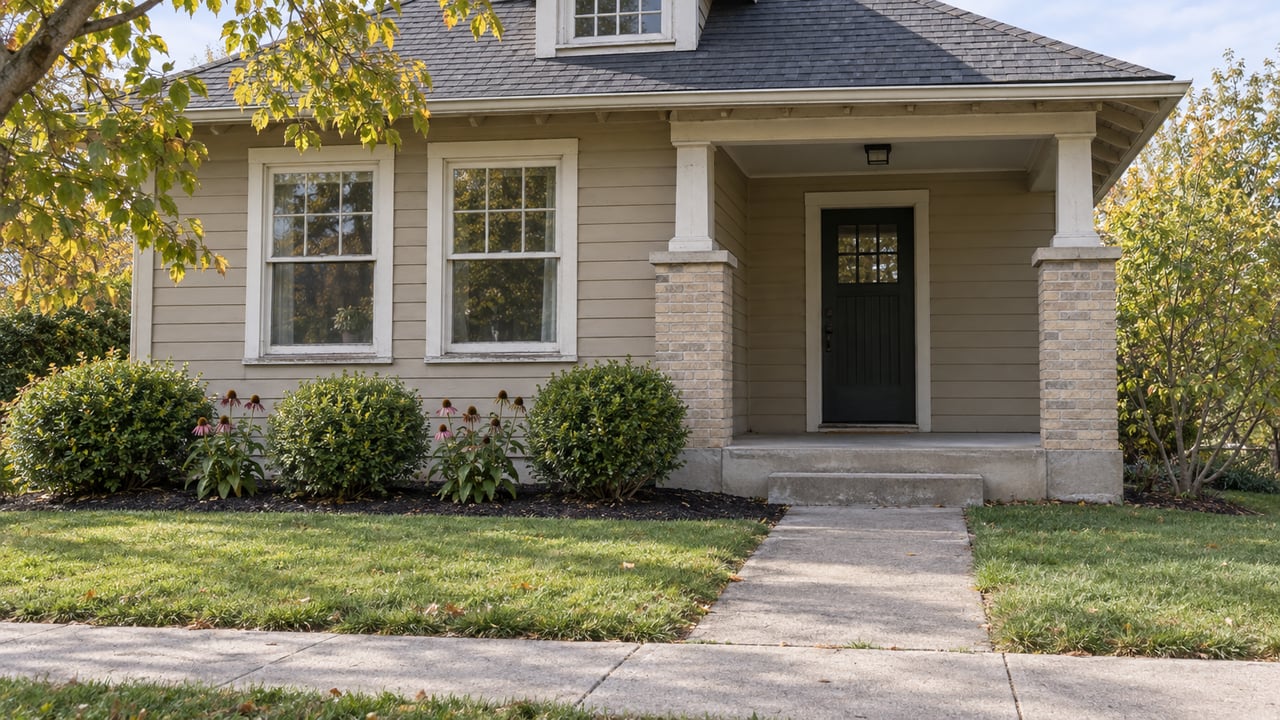
Not every North Bay-area home is architect-driven or historically notable. Homes.com’s current North Bay-Shorecrest snapshot highlights the kinds of homes many buyers expect to see in an established Wisconsin neighborhood, including brick ranches, Cape Cods, and updated single-story homes.
These homes play an important role in the local market. They often offer a more straightforward floor plan, more familiar maintenance expectations, and a lower barrier to entry than one-of-a-kind lakefront properties.
Homes.com also reports a 12-month median sale price of $274,500 and an average market time of 16 days for the area. Those figures are best viewed as a current snapshot rather than a lasting rule, but they help show that demand can move quickly.
Architecture Affects Daily Ownership
In North Bay, style is not only about aesthetics. It also affects upkeep, renovation decisions, and the way you plan for ownership over time.
The village requires permits for roofs, decks, fences, additions, and many plumbing, electrical, and HVAC projects. That means exterior changes and many improvement projects involve a formal review process rather than a casual weekend update.
On the lakefront, this matters even more. Shoreline exposure, along with the need to manage water, wind, and erosion, makes exterior maintenance a regular part of ownership.
Maintenance for Modernist Homes
Wrightian and Usonian homes often feature combinations of wood, stone, glass, brick, terraces, and low roof forms. Those materials and design choices are part of what makes them special, but they also call for careful attention.
If you own or hope to buy one of these homes, it is wise to pay close attention to:
- Roof condition and drainage
- Window performance and seal integrity
- Moisture management around terraces and walls
- Exterior materials exposed to wind and lake weather
These are practical considerations tied to the documented materials and forms found in local examples. In a home where design and structure are closely linked, maintenance planning matters.
Maintenance for Traditional Homes
Traditional masonry homes often come with a different maintenance profile. Based on the local examples, they may feature more conventional massing and detailing, which can make them more familiar to a broader range of contractors.
For some owners, that can make future updates feel more straightforward. It does not mean maintenance is simple, but it may mean the home fits more easily within standard repair and addition practices.
What Style Can Mean for Resale
In a village with only 97 homes, resale is shaped by more than square footage alone. Style, condition, lot orientation, lake views, and beach access can all influence how a property is perceived.
Homes.com notes that some properties in the area have private beach frontage. That helps explain why homes at the water’s edge can behave differently from inland Racine properties.
For broad resale appeal, updated ranches, Cape Cods, and straightforward Colonial Revival homes may attract the widest audience. They often offer lake proximity without a heavy restoration burden or a highly specialized design.
Architect-designed Usonian and Prairie School homes can be just as compelling, but the buyer pool is often narrower and more knowledge-driven. In those cases, provenance, authenticity, and the relationship to the site may matter as much as the floor plan.
What Buyers Should Watch For
If you are shopping in North Bay or along the Racine lakeshore, it helps to look beyond style alone. A beautiful house and a practical house are not always the same thing.
As you compare properties, pay attention to:
- How the home is oriented toward the lake
- Whether views are a major part of the design
- The condition of exterior materials
- The likely maintenance needs of the architectural style
- How much originality or updating the home has
These details can help you decide whether a home fits your lifestyle, budget, and long-term plans.
What Sellers Should Highlight
If you are preparing to sell, your home’s architecture can be a real advantage when presented clearly. Buyers tend to respond better when they understand not just what a home looks like, but why it matters.
That means your marketing should highlight style-specific strengths such as design pedigree, lake orientation, terraces, private beach frontage, material quality, and meaningful updates. In a place as distinctive as North Bay, thoughtful presentation can help the right buyers see the full value of the property.
If you are thinking about buying or selling a lakefront or architecturally significant home in Racine, working with a team that understands both local market behavior and property storytelling can make a real difference. The Tony Veranth Team brings decades of Racine-area experience, practical guidance, and high-touch service to help you move forward with confidence.
FAQs
What architectural styles define North Bay lakefront living?
- North Bay is especially known for Wrightian and Usonian modern homes, along with at least one International Style house, while the broader Racine lakeshore includes Prairie School, Victorian, Greek Revival, Colonial Revival, Georgian Revival, ranch, and Cape Cod homes.
What makes North Bay different from other Racine neighborhoods?
- North Bay is a small village on Lake Michigan with 97 homes, just under 210 residents, and single-family-only zoning, which gives it a more limited and distinct housing character.
What should buyers know about maintaining a North Bay lakefront home?
- Buyers should expect exterior upkeep to be important because of lake exposure, and they should know that North Bay requires permits for roofs, decks, fences, additions, and many plumbing, electrical, and HVAC projects.
What features make Wrightian homes in North Bay special?
- Wrightian homes in North Bay often stand out for low rooflines, natural materials, strong horizontal lines, terraces, and design choices that emphasize light, views, and a close connection to the landscape.
What home styles may appeal to the widest range of buyers in North Bay?
- Updated ranches, Cape Cods, and more straightforward traditional homes may appeal to a broader buyer pool because they often combine lake-area location with more familiar layouts and maintenance expectations.
What affects resale value in North Bay?
- In North Bay, resale can be influenced by architectural style, condition, lot orientation, beach access, views, and how well a home’s unique features are preserved or updated.