Thinking about your next move in Wind Point but unsure how to read the market? In a small lakeside village, a single sale can make the numbers jump, which makes timing and pricing feel complicated. You deserve a clear, local snapshot that explains what is happening and how to use it. In this guide, you will learn how Wind Point behaves compared to the rest of Racine County, how waterfront and inland homes move differently, and how to plan your strategy with confidence. Let’s dive in.
Why Wind Point is unique
Wind Point is a small, lakeside village with limited lots and close ties to Racine and the Milwaukee metro. That size creates a tight market where a handful of closings can shift short‑term statistics. Lake Michigan access and the Wind Point Lighthouse add lasting lifestyle appeal that draws steady buyer interest.
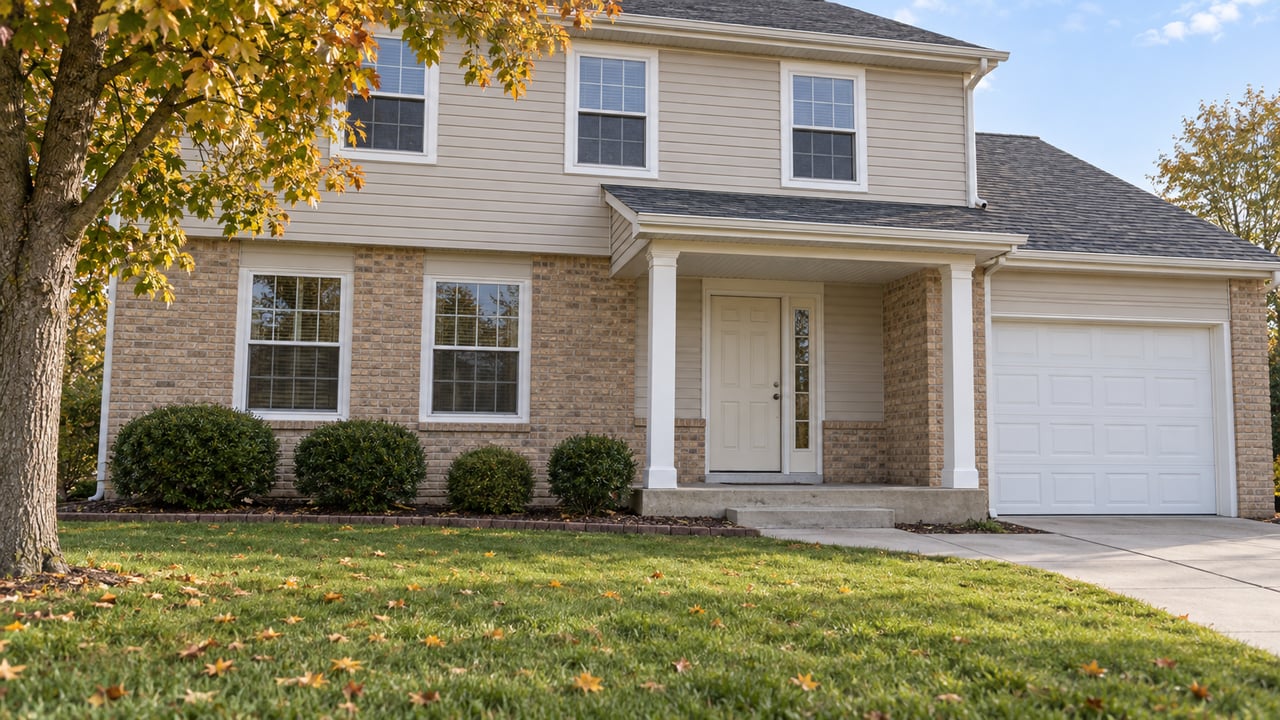
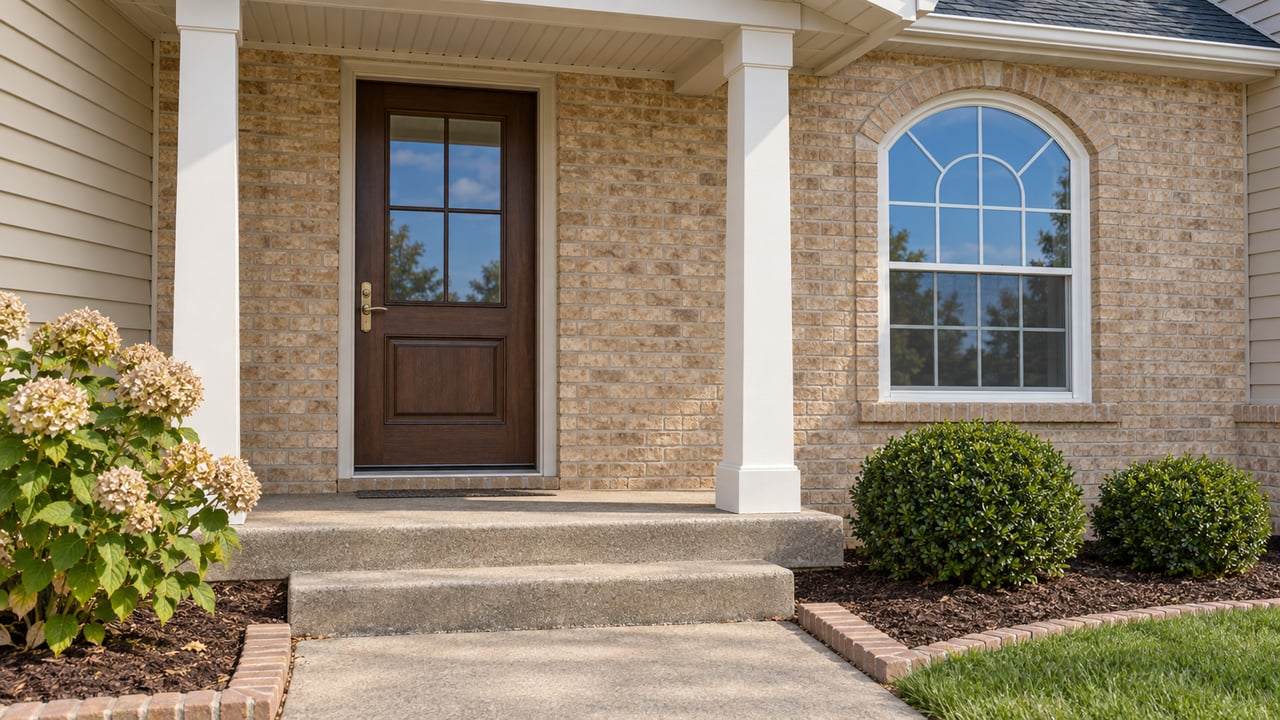
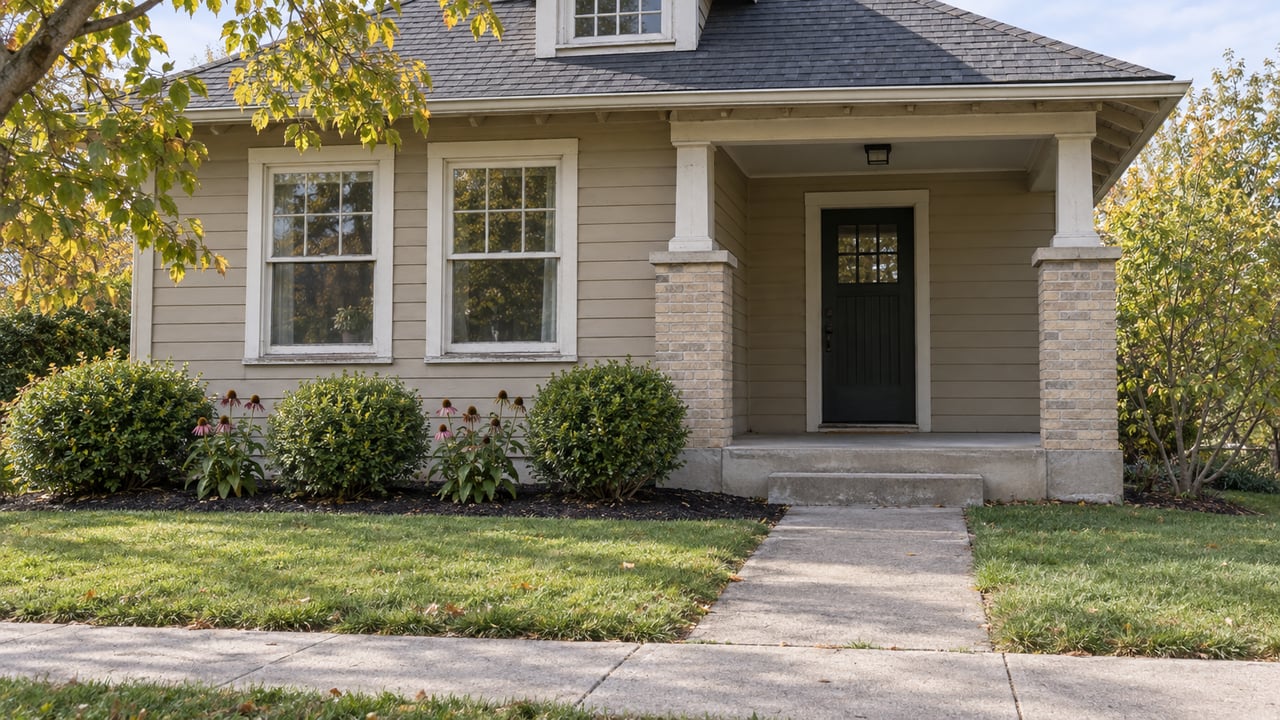
Homes here are mostly single‑family on individual lots. Many are mid‑20th‑century cottages that have been updated over time, mixed with newer renovations and custom builds. Because the shoreline and views vary, pricing and demand differ by distance to the lake. To avoid misleading takeaways, you should rely on 12‑month rolling numbers and compare results by segment.
How to read the numbers
Use rolling 12‑month data
Short timeframes can be noisy in a small village. Look at 12‑month rolling figures for price, days on market, list‑to‑sale ratio, and months of supply. This smooths out single high‑value sales and gives you a steadier trend.
Segment by shoreline proximity
Group properties into three buckets: direct waterfront, near‑water or view lots, and inland village homes. Each behaves differently on price, speed, and negotiation dynamics. Segmenting keeps expectations realistic.
Compare to Racine County
Benchmark Wind Point’s rolling figures against Racine County to see how the micro‑market differs. Lake adjacency often means tighter supply, faster spring activity, and higher price variance.
Watch sample sizes
Because the village is small, transaction counts are limited. Always note the number of sales behind any metric to gauge confidence in the trend.
Inventory and supply
Inventory tells you how much choice buyers have. Track active listings, new listings per month, and months of supply, calculated as active listings divided by average monthly closed sales. In Wind Point, supply often looks lean compared to the county because lot count is limited.
Expect seasonality. New listings typically rise in early spring, then slow after summer. A few high‑end properties coming on the market at once can push months of supply up briefly. If you are selling in a low‑supply window, you may see stronger buyer competition. If you are buying, watch for spring listing spikes to expand your options.
Prices and premiums
Median and mean pricing together
Median sale price is helpful, but in Wind Point it can swing if one waterfront home sells at a premium. Review both median and mean pricing to understand overall movement. Pair that with price per square foot by segment for a fuller picture.
Price per square foot, carefully
Price per square foot varies with lot size, renovation level, and view quality. Waterfront and near‑water homes tend to command higher per‑square‑foot values due to view and access. Inland homes offer more typical suburban dynamics.
What drives the waterfront premium
Direct frontage, unobstructed views, shoreline condition, and turnkey updates often add a meaningful premium over inland comparables. Elevation and erosion risk can also influence value. Two waterfront homes can price very differently based on these features.
List‑to‑sale dynamics
Over‑ask potential in peak season
When supply is tight and buyer activity rises in spring and early summer, well‑priced homes can sell close to list or above list. This is most common for move‑in‑ready homes with views or updated finishes.
Off‑season negotiation
In late fall and winter, fewer buyers tour homes. You may see more room for negotiation on price and terms, especially outside the most in‑demand waterfront segment. If you are a move‑up buyer, this is often a strategic window to act.
Days on market expectations
Segment differences
Waterfront and near‑water homes that are priced to recent comps can move quickly during peak months. Inland homes typically show moderate days on market consistent with nearby suburban areas. When a listing sits longer, it often points to a pricing mismatch or a unique feature set that needs the right buyer.
What moves fastest
Turnkey condition, compelling photos, and clear pricing tend to shorten market time. Homes with limited showing access or unclear pricing can linger even in a healthy market.
Transaction mix and financing
Cash buyers often appear in higher‑value or lakefront trades, which can impact negotiation and appraisal timelines. Conventional financing remains common across inland and near‑water segments. When cash share rises, sellers may prioritize certainty of closing over slight price differences.
Price reductions and withdrawals
Track the share of listings with at least one price reduction and the median time to first reduction. A higher reduction rate signals pricing pressure or shifting demand. For sellers, this is a reminder to anchor your list price to segment‑specific comps rather than broad county medians.
Segment snapshots
Waterfront: direct Lake Michigan frontage
Waterfront inventory is the smallest slice of the market with the widest price variance. Many homes began as mid‑century cottages and have been expanded or rebuilt. Buyers often include retirees seeking lake lifestyle, second‑home shoppers, and professionals who value views and privacy. Key friction points include shoreline maintenance, insurance costs, flood zone considerations, and elevation.
What to watch: frontage width, elevation relative to the lake, shoreline protection, and recent comparable waterfront sales. Small differences in view and access can shift value significantly.
Near‑water and view lots
This segment includes homes a short distance from the lake, often on elevated streets with partial or full views. It captures much of the lifestyle premium at a lower price point than direct waterfront. Sample sizes tend to be larger than the true waterfront subset, which helps with comping.
What to watch: view corridors, lot orientation, renovation level, and parking or garage access. These homes often trade quickly in spring when buyers seek summer occupancy.
Inland village homes
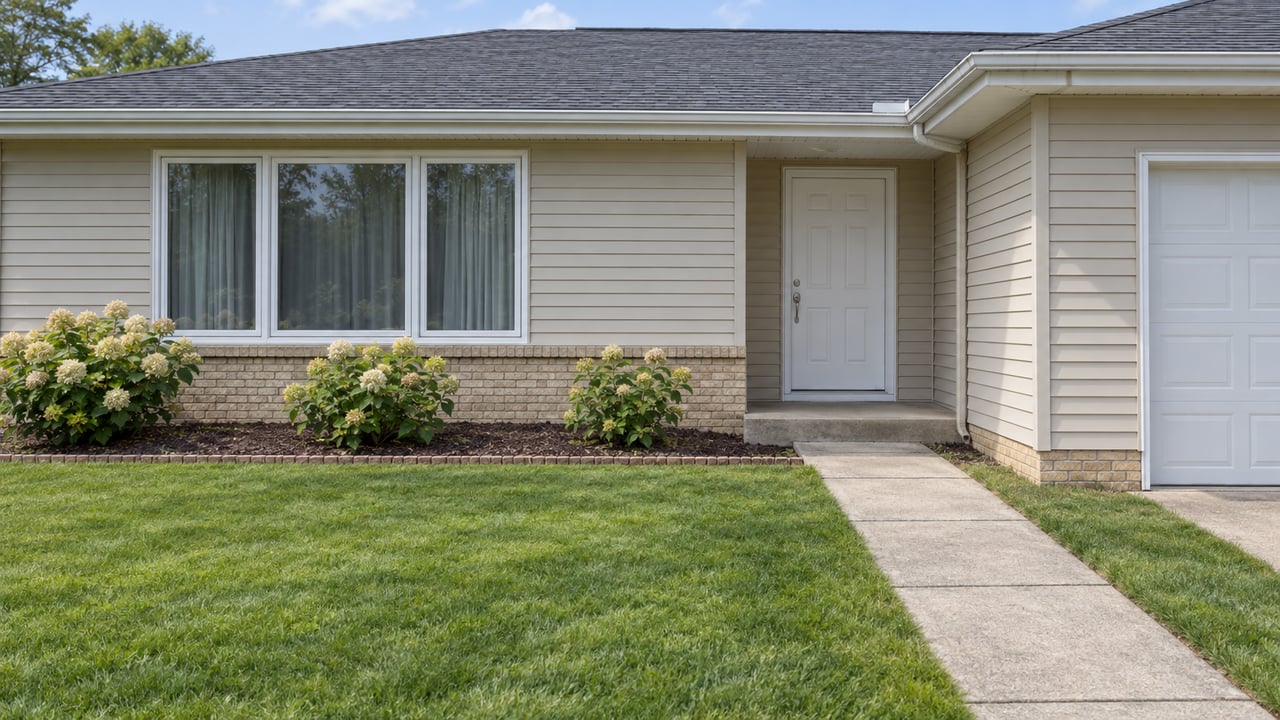
Inland homes behave more like typical suburban properties while still benefiting from village amenities. Buyers include local move‑up shoppers and commuters to Racine and Milwaukee. Pricing depends on lot size, updates, and proximity to parks and community features.
What to watch: recent neighborhood comps, days on market trends, and list‑to‑sale ratios relative to the county backdrop.
Seasonality and timing
Spring is usually the most active period, with faster market times and higher list‑to‑sale ratios. If you want maximum buyer competition, consider listing between March and June and price carefully to your segment. For rare waterfront properties, align pricing with the most recent waterfront comps and highlight view, elevation, and shoreline condition.
If you are buying, late fall and winter can offer more negotiating power and less competition. That said, turnkey lakefront homes can attract attention year‑round, so be ready to move quickly when the right fit appears.
What to watch this quarter
- New listings vs pending sales to gauge buyer demand in real time.
- Months of supply by segment to understand leverage.
- List‑to‑sale ratio and the share sold above list in peak weeks.
- Days on market distribution to spot where pricing is tight or stretched.
- Cash share in recent sales, especially for higher‑value and lakefront trades.
- Price reductions and median days to first reduction as a pricing signal.
- Any shoreline maintenance updates, local policy changes, or flood map revisions that affect risk and insurance.
- Recent segment‑specific comps with notes on frontage, view, and renovation level.
How to set price in a small market
- Define your segment first: waterfront, near‑water/view, or inland.
- Pull 12–24 months of comps in your segment and note transaction counts.
- Adjust for frontage, elevation, renovation level, and view quality.
- Study list‑to‑sale patterns to see how buyers responded at different price points.
- Watch price reductions among similar homes to avoid repeating mistakes.
- Consider pricing slightly below a key band to spark competition in peak months.
- Back your strategy with strong marketing, clear showing access, and fresh presentation.
Buyer due diligence checklist
- Confirm any flood zone considerations and review elevation details before binding commitments.
- Inspect shoreline condition, protective structures, and recent maintenance where applicable.
- Get quotes for homeowners and flood insurance early to avoid surprises.
- Evaluate lot orientation, view corridors, and privacy throughout the year.
- Ask about local policies, assessments, or permits related to shoreline management.
- Validate commute routes and community amenities that matter to you.
- Consider long‑term resale within your segment to protect value.
Work with local expertise
In a village as small and unique as Wind Point, context is everything. Segment‑aware pricing, premium marketing, and steady negotiation can make a real difference in your bottom line. With decades of hyper‑local experience, a high‑touch two‑agent model, and strong distribution for distinctive homes, the Tony Veranth Team is here to help you price, prepare, and win in any season. Request a free consultation & home valuation.
FAQs
What makes the Wind Point market different from Racine County overall?
- Wind Point’s small size, lake adjacency, and limited lots create tighter supply, larger seasonal swings, and more variance by segment than the broader county.
When is the best time to list a home in Wind Point?
- Listing in March through June typically captures the most buyer activity, while accurate, segment‑specific pricing is key due to limited comparable sales.
How long do homes in Wind Point usually take to sell?
- Days on market vary by segment; waterfront and well‑priced near‑water homes often move faster in spring and early summer, while inland homes trend moderate.
How much more do Wind Point waterfront homes command?
- The premium depends on frontage, view, elevation, and condition; compare recent waterfront‑only comps to set expectations rather than relying on village medians.
Are flood insurance and shoreline issues common in Wind Point?
- Some properties may involve flood zone or shoreline considerations; review maps, elevation information, and insurance quotes early in your due diligence.
What strategy should move‑up buyers use in Wind Point?
- Target late fall and winter for more negotiating leverage, but be ready to act quickly on the right home, especially if it has sought‑after views or turnkey updates.