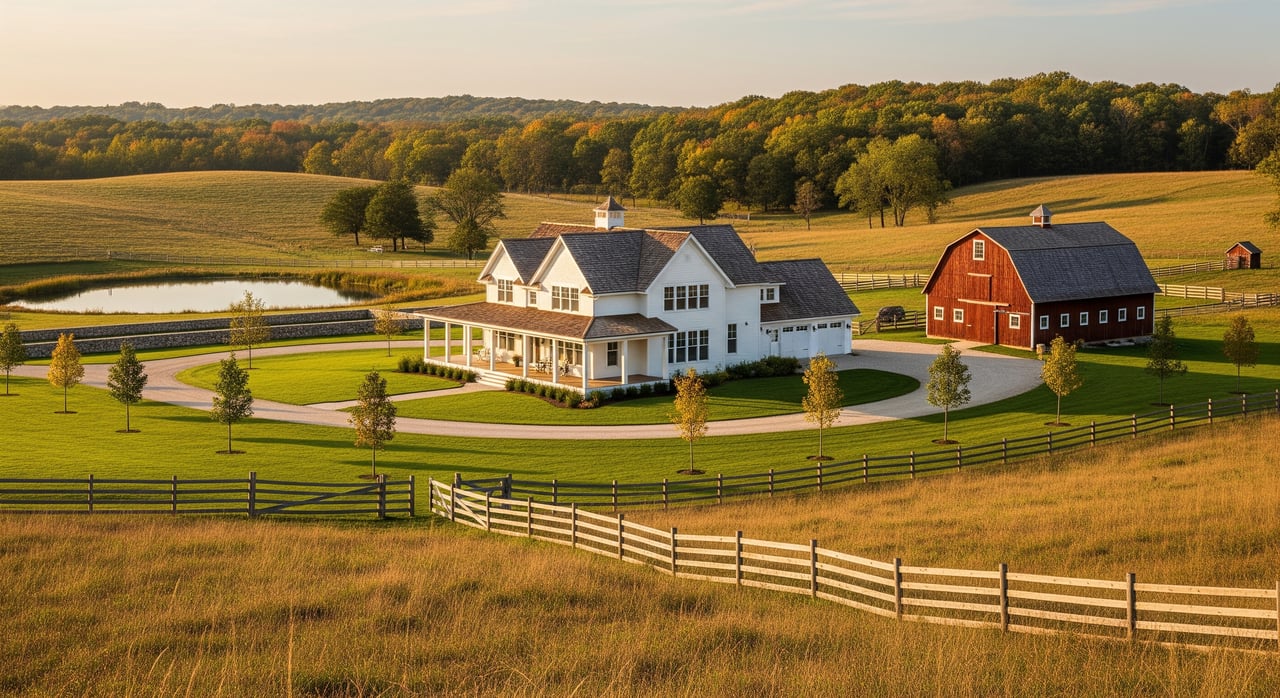
If you own or want to buy a home with acreage in Franksville or nearby Caledonia, you know it feels different from a typical subdivision lot. Acreage brings privacy, potential, and sometimes outbuildings, but it also raises questions about how appraisers value land, barns, and what counts as “usable.” In this guide, you’ll learn how appraisals handle acreage, which factors move value up or down, and what you can do to prepare with confidence. Let’s dive in.
How appraisers value acreage in Franksville
Appraisers usually start with the sales comparison approach. They look at recent sales of similar properties and analyze the home, the land, and any improvements together to estimate a market-supported value. When land size or potential drives value, they dig deeper into land-specific methods to keep the numbers grounded in the local market.
Sales comparison first
You can expect the appraiser to find recent, nearby sales with similar acreage and property type. If direct matches are limited, they may pull from a wider area or use a longer time frame, then make market-based adjustments for location, site size, and features. The goal is to mirror how buyers actually shop for large-lot homes in Racine County.
When land drives the value
For larger parcels or sites with subdivision potential, the appraiser may analyze vacant land sales and use techniques like land extraction or paired-sales to isolate a per-acre value. They also consider whether all of the land is usable, or if wetlands, floodplain, slope, or easements reduce the buildable area.
Cost and income checks
The cost approach can help when outbuildings are newer or well-documented, while the income approach may apply if there is income from pasture, timber, or leased space. These are typically secondary checks alongside the sales comparison approach.
Picking the right comps in Racine County
Selecting the best comparable sales is critical for acreage. The appraiser balances proximity, timing, and similarity of land characteristics to reflect how local buyers weigh tradeoffs.
Define usable acreage
Not all acres are equal. Appraisers separate total acreage from “usable” or “buildable” acreage. Factors like wetlands, floodplain, steep slopes, lack of access, or conservation easements can limit use. Mapping tools, assessor records, and surveys help confirm what land truly contributes to value.
Comparable selection strategy
The search usually starts within the same market area for improved residential sales on similar-sized lots. If those are scarce, the net widens to include rural residential and vacant land sales. In a slower market, the look-back period may extend beyond 6 to 12 months with time adjustments if needed.
Common site adjustments
Adjustments often account for:
- Site size and per-acre value.
- Usable vs non-usable acres.
- Utilities, including municipal sewer/water vs private well and septic.
- Access and frontage, including private roads and maintenance agreements.
- Topography, soil, and drainage that affect buildability and costs.
- Zoning and permitted uses, including subdivision feasibility.
- Environmental constraints such as wetlands or floodplain.
- Visual and locational factors like privacy, views, and commute access.
When acreage is “excess land”
If a parcel contains more land than needed for the home’s highest and best use, the extra may be considered excess land. In that case, the appraiser will look at the marketability of the additional acreage, often using vacant land sales to estimate its contributory value. If extra land creates maintenance burdens without strong market demand, it can contribute less than a simple per-acre multiple.
Outbuildings and farm-type improvements
Outbuildings can be valuable if they fit what local buyers want. Garages, pole barns, workshops, and hobby barns are common. Their value depends on condition, size, function, permits, and utilities.
How outbuildings are valued
Appraisers estimate the contributory value of each structure, which can be lower than replacement cost. The cost approach may be used when documentation is strong. If an outbuilding produces income, the appraiser may consider an income approach for that component.
Permits, utilities, and obsolescence
Permits, permanent foundations, and utility connections matter. Unpermitted or obsolete structures can have limited value and may even reduce marketability if they require significant repairs. Market reaction to large agricultural buildings on residential properties can vary and is often less than owners expect.
Local factors in Franksville and Caledonia
Franksville and Caledonia sit within the broader Racine County market, with access to I-94, Racine, Kenosha, and greater Milwaukee. That regional connectivity can expand the buyer pool, but large-acreage homes still tend to attract a narrower set of buyers and can spend longer on the market.
Zoning and subdivision potential
Local zoning, land division rules, and minimum lot sizes affect whether a property can be split and how many lots it could yield. Subdivision potential can increase per-acre value. Appraisers verify zoning and ordinances before assigning any premium for this potential.
Environmental and soil constraints
Wetlands, floodplain areas, and hydric soils can limit use and increase costs. Soil suitability and perc results influence the number of buildable sites and septic options. Confirming these items helps support the appraised value.
Utilities and access
Municipal sewer and water typically increase utility and marketability. Long driveways, private roads, or gated access may require maintenance agreements, which the appraiser will review. Access quality is part of how buyers compare rural properties.
Seller checklist to prepare
Gathering the right documents up front helps the appraisal and speeds your sale.
- Current parcel map, deed, and any survey.
- Perc/septic test results and well logs.
- Building permits and occupancy certificates for the home and outbuildings.
- Utility details, including municipal connections or private well/septic.
- Road maintenance agreements and any easements.
- Conservation easements or land-use restrictions, if any.
- Recent comparable sales information, if available.
Buyer due diligence on acreage
Before you write an offer, confirm the land’s use and costs.
- Verify usable acreage and boundaries with assessor records or a survey.
- Review zoning, minimum lot sizes, and any subdivision feasibility.
- Check for wetlands, floodplain, and soil suitability for septic.
- Confirm permits, utilities, and condition of outbuildings.
- Understand private road obligations and any special assessments.
Mortgage and underwriting considerations
Lender guidelines can affect appraisal treatment for acreage. If land is income-producing or has agricultural use, it may complicate eligibility for certain loan products. Appraisers follow professional standards and lender rules to document highest and best use and to select acceptable comparables.
Pricing strategy with confidence
Pricing acreage in Franksville is about matching your specific land features and improvements to proven market data. A strong pricing plan highlights usable acreage, documents permits and utilities, and frames outbuilding value in line with local buyer demand. Clear documentation and market-supported comps reduce surprises during underwriting and negotiation.
Work with local expertise
If you are selling or buying acreage, you want a team that understands local zoning, environmental constraints, and what Racine County buyers will pay for outbuildings and extra land. For tailored guidance and a pricing strategy that reflects today’s market, connect with the Tony Veranth Team. We’ll help you gather the right documents, position your property, and negotiate with confidence.
FAQs
How do appraisals treat usable vs total acreage?
- Appraisers separate usable/buildable acres from total acres, discounting areas limited by wetlands, floodplain, steep slopes, or easements.
Do big barns and pole buildings always add value?
- Only if they match buyer demand, are in good condition, and are properly permitted and serviced; many large agricultural buildings add less value than owners expect.
What is “excess land” in an appraisal?
- Land beyond what is needed for the home’s highest and best use; it is often valued using vacant land comps and may contribute less on a per-acre basis.
Can acreage affect my loan options?
- Yes. Income-producing or agricultural uses can complicate eligibility for some mortgages. Lenders and appraisers document highest and best use to determine acceptability.
Which local factors can lower value on acreage?
- Wetlands, floodplain, septic limitations, lack of municipal utilities, restrictive easements, or challenging access can reduce usable acreage and marketability.
How can I prepare for an acreage appraisal as a seller?
- Provide surveys, permits, utility details, perc and well tests, easements, and any zoning or subdivision information to support the property’s features and potential.