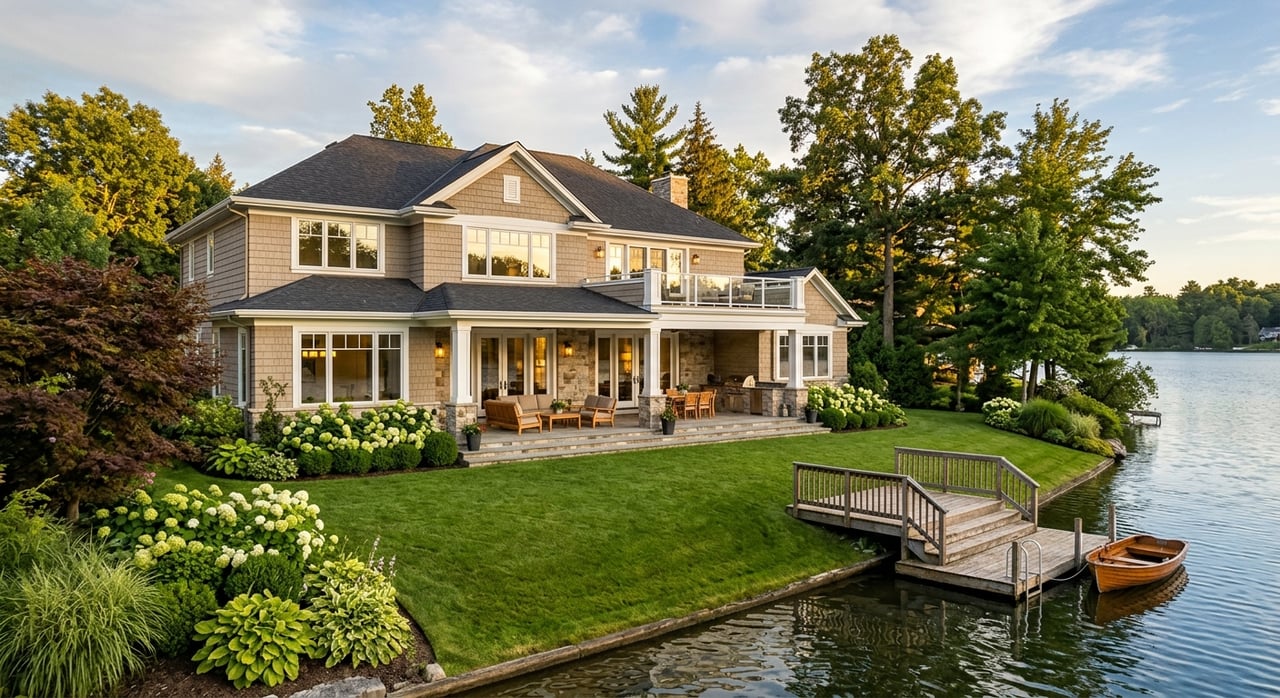
Dreaming about weekends on the water without giving up everyday convenience? The Burlington area gives you a rare mix of small-city living, riverfront charm, and easy access to lakes that shape how people spend their time year-round. If you are thinking about buying near the water, this guide will help you understand what lake area living near Burlington can really look like, what types of homes you may find, and what practical details matter before you make a move. Let’s dive in.
Why Burlington Appeals to Water-Loving Buyers
Burlington stands out because water is woven into daily life here. The city sits on the White and Fox Rivers, and the city describes historic downtown Burlington as the heart of the community, with a Riverwalk that supports walking and biking along the Fox River. You also have access to fishing along the Fox River, White River, and Echo Lake, according to the City of Burlington.
That matters if you want more than a home with a pretty view. In this area, the water helps shape recreation, local events, and the overall pace of life. For many buyers, that creates a lifestyle that feels active, scenic, and grounded in Southeast Wisconsin’s seasons.
Browns Lake Living Near Burlington
For many buyers, Browns Lake is the clearest example of lake-oriented living near Burlington. The city’s Vision Plan 2040 describes Browns Lake as a 397-acre lake with a 44-foot maximum depth, plus a public boat landing and popular uses that include boating, water sports, and fishing.
The same plan notes fish species such as panfish, largemouth bass, northern pike, and walleye. If your ideal home search includes boating access or a strong fishing culture, that gives you a helpful sense of how the lake is used.
A major local draw is Fischer Park, which sits along Browns Lake and includes public access and a boat launch. Racine County also notes summer lifeguards there, making the park an important part of how residents and visitors experience the lake.
Echo Lake and In-City Water Access
If you want to stay closer to the city itself, Echo Lake deserves a look. Burlington’s comprehensive plan describes Echo Lake as a 70-acre lake with an 11-foot maximum depth that feeds into the White River and then the Fox River.
The city also notes that Echo Lake access includes a fishing deck at Echo Lake Veterans Memorial Park. That can appeal to buyers who want quick access to the water without focusing only on larger-lake living.
There is also an important future project to keep in mind. The city says Echo Lake dam and spillway work is expected in 2026, with dredging tentatively scheduled for 2027 to remove sediment and improve water quality and recreational use.
Other Nearby Lake Options
Lake area living near Burlington is not limited to Browns Lake and Echo Lake. A 2025 Town of Burlington packet describes Rockland Lake as a 40-acre lake southwest of Browns Lake that is accessible through a City of Burlington park.
Bohners Lake is also part of the conversation for buyers comparing nearby lake settings. Local planning documents say Browns Lake and Bohners Lake serve as recreational focal points in the Town of Burlington, with residential development around both lakes.
If you want outdoor access beyond a single shoreline, the region also benefits from larger natural areas. The Wisconsin DNR notes that Richard Bong State Recreation Area and Honey Creek Wildlife Area offer options like canoeing, kayaking, swimming, fishing, hiking, camping, and wildlife viewing.
What Daily Life Can Feel Like
The lifestyle here has a strong seasonal rhythm. Summer tends to bring the most visible lake activity, from boating and fishing to lakeside gatherings and park use.
One local example is the Browns Lake Aquaducks, which offer free water-ski shows on Thursdays from Memorial Day through Labor Day at Browns Lake Fischer Park. Event listings also note summer food trucks, which adds to the community feel.
Downtown Burlington adds another layer to the experience. Burlington Days includes live music, sidewalk sales, outdoor food and drink, the Maxwell Street Market, kids activities, car shows, Paddle the Fox, and the Duck Dash on the Fox River at Wehmhoff Jucker Park.
For buyers, this is a good reminder that “lake living” here often means more than a dock. It can also mean riverwalk evenings, nearby events, and easy access to outdoor recreation throughout the year.
Homes You May Find Near the Water
One of the most important things to understand is that Burlington-area lake housing is not one-size-fits-all. Town planning documents indicate that the housing around Browns Lake and Bohners Lake includes primarily year-round residences along with some seasonal residences.
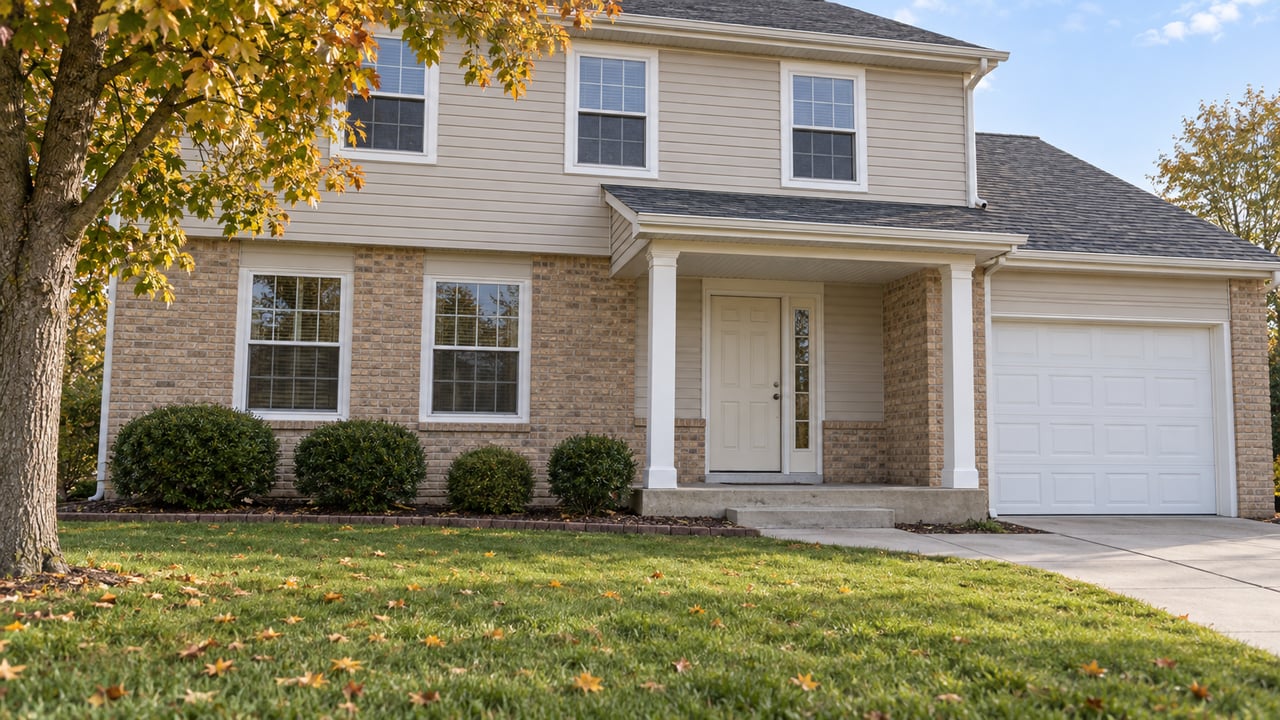
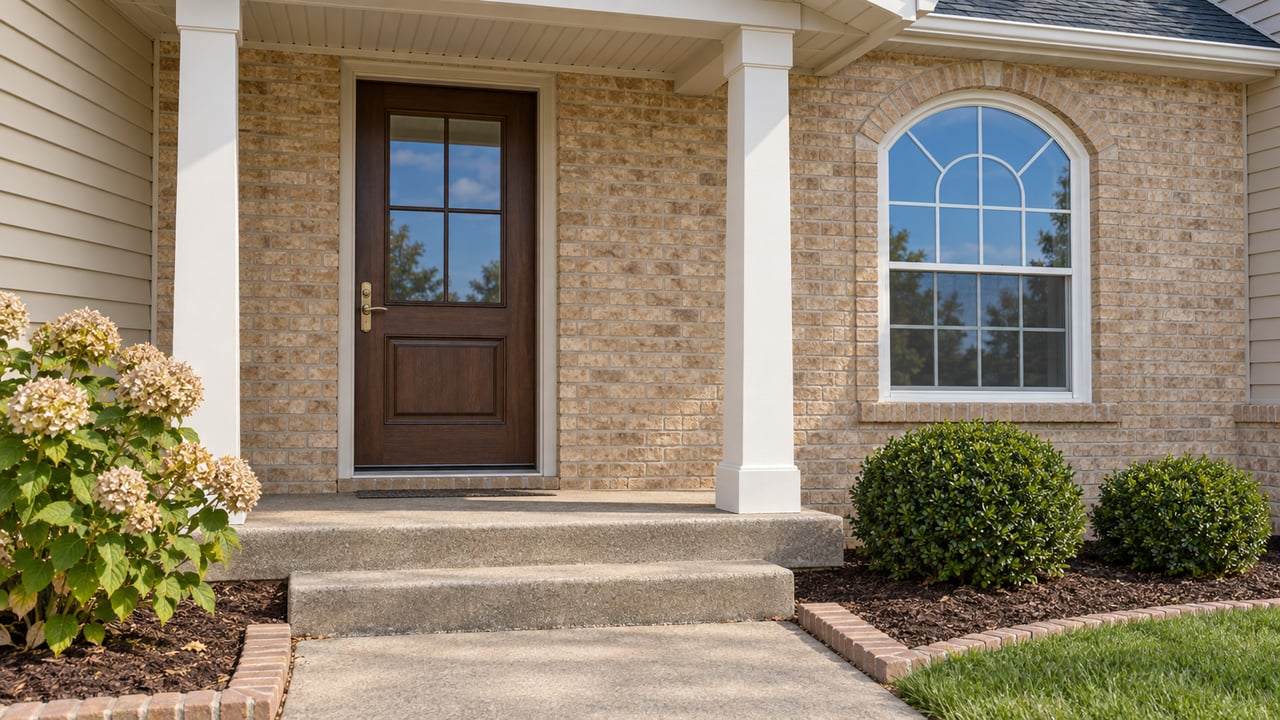
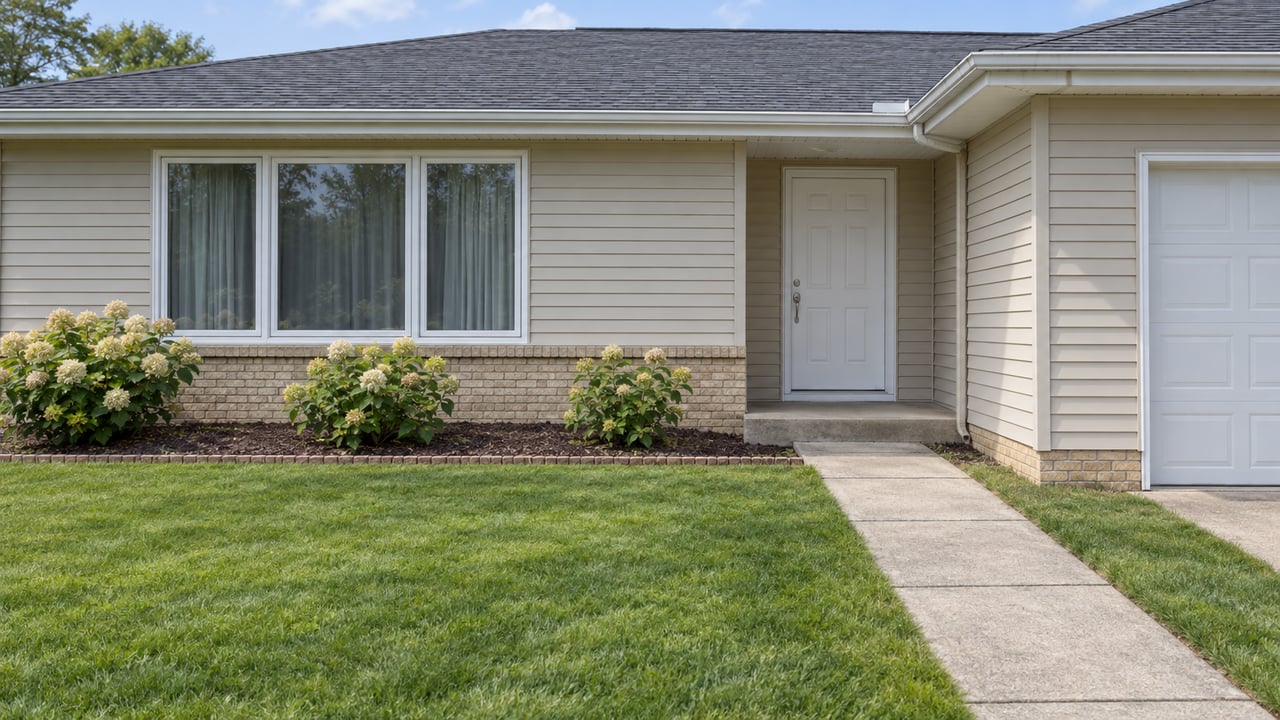
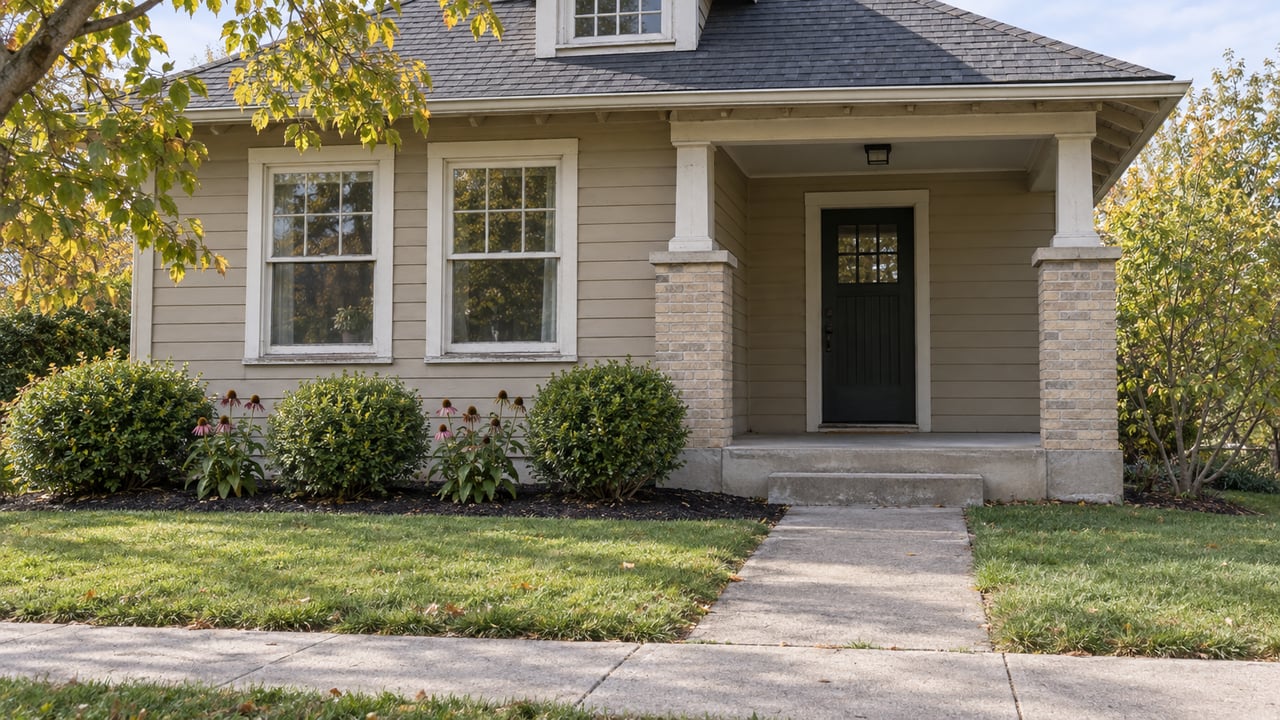
That usually points to a mix of home types. Depending on the specific area, you may come across established waterfront homes, older year-round houses near the shoreline, seasonal cottages, and non-waterfront homes that still benefit from lake access or park proximity.
That variety can be a real advantage. It gives you more ways to enter the market depending on your budget, your maintenance preferences, and how close you want to be to the water.
Utility and Property Details Matter
When you compare older lake-area homes, utility setup can be an important part of your decision. The 2025 Town of Burlington packet says that the Bohners Lake area is served by the Bohners Lake Sanitary District, which is one of only two town regions with public sanitary sewers.
That may not sound exciting at first, but it can affect how you compare one home to another. For example, utility infrastructure, lot size, and age of improvements may shape both ownership costs and future property plans.
This is one reason buyers benefit from looking past the view alone. A beautiful setting is important, but so are the property details that affect everyday ownership.
Shoreland Rules Every Buyer Should Know
If you are buying waterfront or near-water property in Wisconsin, shoreland rules should be part of your due diligence. The Wisconsin DNR explains that under the state’s Shoreland Management Program, local zoning standards apply near navigable waters.
In general, buildings must sit 75 feet from the ordinary high water mark, and impervious surface limits can apply, according to the Wisconsin DNR shoreland zoning guidance. Certain features like piers, boathouses, and walkways may be treated differently.
The DNR also says that work below the ordinary high water mark, such as placing fill, building beaches, or installing some structures, may require permits. Projects above that mark may still be reviewed by local floodplain or shoreland zoning authorities, as explained in the DNR’s waterways permit FAQ.
Why Shoreline Care Is Important
Buying near the water also means thinking about stewardship. The Wisconsin DNR explains that about 80% of the state’s endangered and threatened species spend all or part of their life cycle in the near-shore zone, and as many as 90% of living things in lakes and rivers are found along shallow margins and shores.
That is why shoreline vegetation, erosion control, and thoughtful dock or beach design matter so much. The DNR’s overview of critical lakeshore habitat helps explain why these issues are more than cosmetic.
For buyers, this is both a property-use issue and a long-term value issue. A well-maintained shoreline can help support both the environment and your enjoyment of the property.
Winter Ownership Questions to Ask
Lake area living is not just a summer story. Winter conditions can affect docks, piers, and maintenance planning, especially for owners with direct shoreline improvements.
The Wisconsin DNR advises removing piers and docks before freezing conditions when possible. The agency also notes that ice-management systems cannot create unsafe conditions for neighbors or the public.
If you are comparing homes with shoreline equipment or seasonal structures, it is wise to ask how the current owner handles winter prep. That can give you a clearer picture of both cost and effort.
How to Shop Smarter for Burlington Lake Homes
A focused home search usually starts with a few key questions:
- Do you want direct waterfront, nearby lake access, or proximity to parks and rivers?
- Are you looking for a year-round home or a seasonal-style property?
- How important are boating, fishing, or public launch access?
- Are you comfortable with extra maintenance that can come with waterfront ownership?
- Do future project timelines, like the planned Echo Lake work, affect your target area?
When you answer those questions early, it becomes easier to narrow your options. You can compare homes based on how you want to live, not just how a listing looks online.
Why Local Guidance Helps
Lake-area real estate often comes with more moving parts than a typical home search. Property type, utility setup, shoreline regulations, access points, and seasonal use patterns can all influence whether a home is the right fit.
That is where local knowledge makes a difference. When you work with a team that understands Southeast Wisconsin, you are better positioned to ask the right questions, spot potential issues early, and move forward with confidence.
If you are exploring lake area living near Burlington, the Tony Veranth Team can help you evaluate your options with clear, practical guidance tailored to your goals.
FAQs
What is lake area living near Burlington like for home buyers?
- Lake area living near Burlington often means a mix of river access, nearby lakes, seasonal recreation, and housing options that range from waterfront homes to properties near parks and public access points.
What lakes should buyers consider near Burlington?
- Buyers often look at Browns Lake, Echo Lake, Rockland Lake, and Bohners Lake, depending on whether they want direct waterfront living, public access, or proximity to recreation.
What types of homes are common near Burlington lakes?
- Local planning documents suggest a mix of year-round residences, some seasonal residences, older shoreline homes, and nearby non-waterfront properties that still benefit from lake access or park proximity.
What rules apply to waterfront homes near Burlington?
- Wisconsin shoreland zoning standards generally require buildings to be set back 75 feet from the ordinary high water mark, and some shoreline projects may require permits or local review.
What should buyers know about Echo Lake in Burlington?
- Buyers interested in Echo Lake should know the city expects dam and spillway work in 2026, with dredging tentatively scheduled for 2027 to improve water quality and recreational use.
Why should buyers work with a local Burlington-area real estate team?
- A local team can help you evaluate shoreline rules, property features, access, utility considerations, and the differences between lakefront and near-water homes across Southeast Wisconsin.