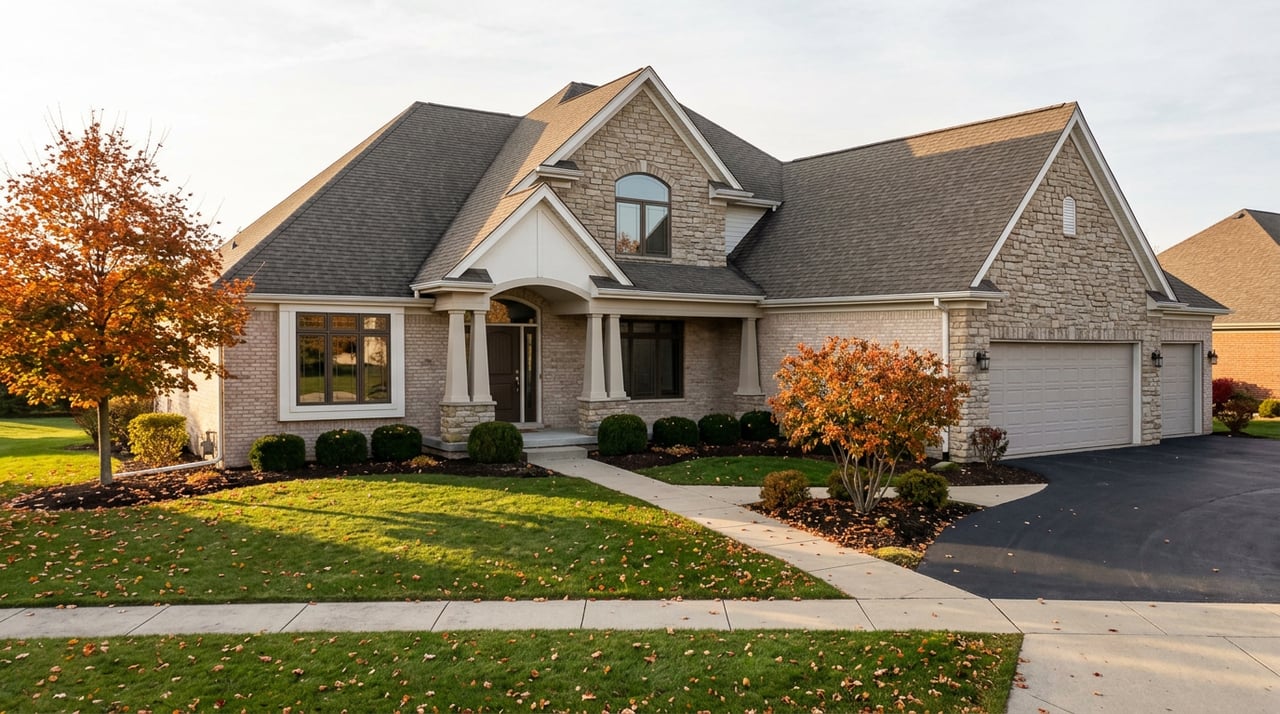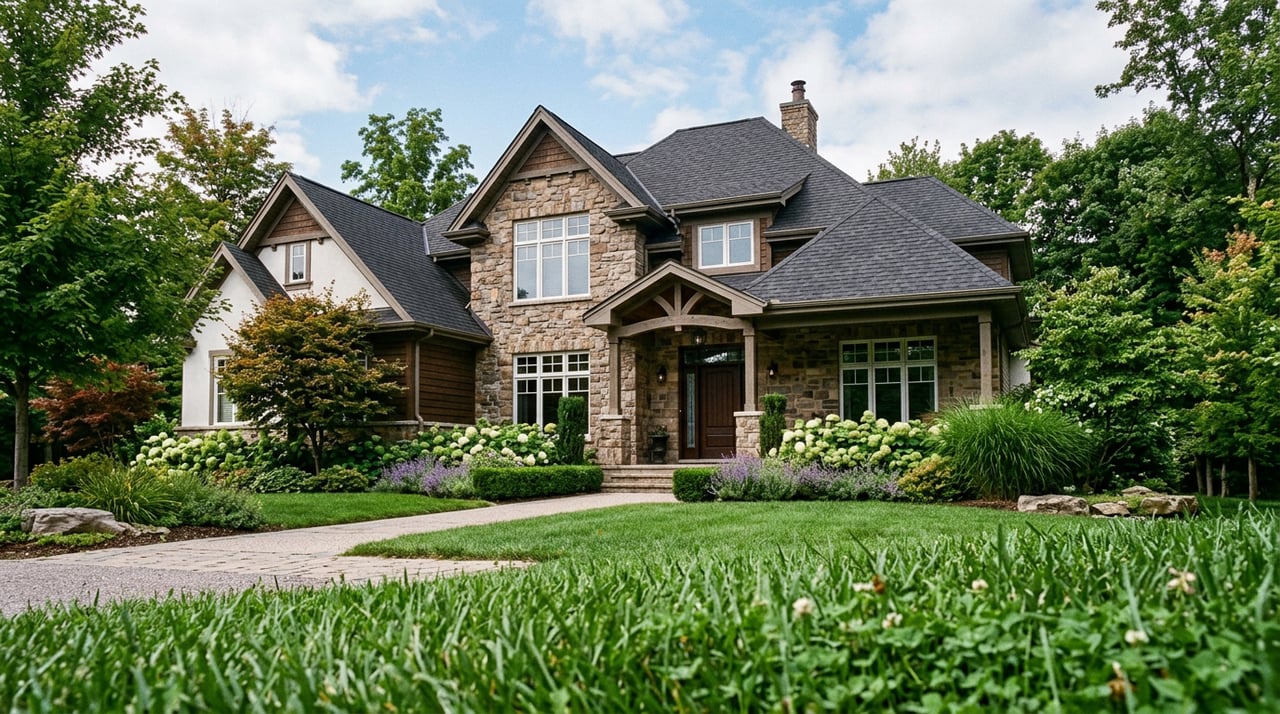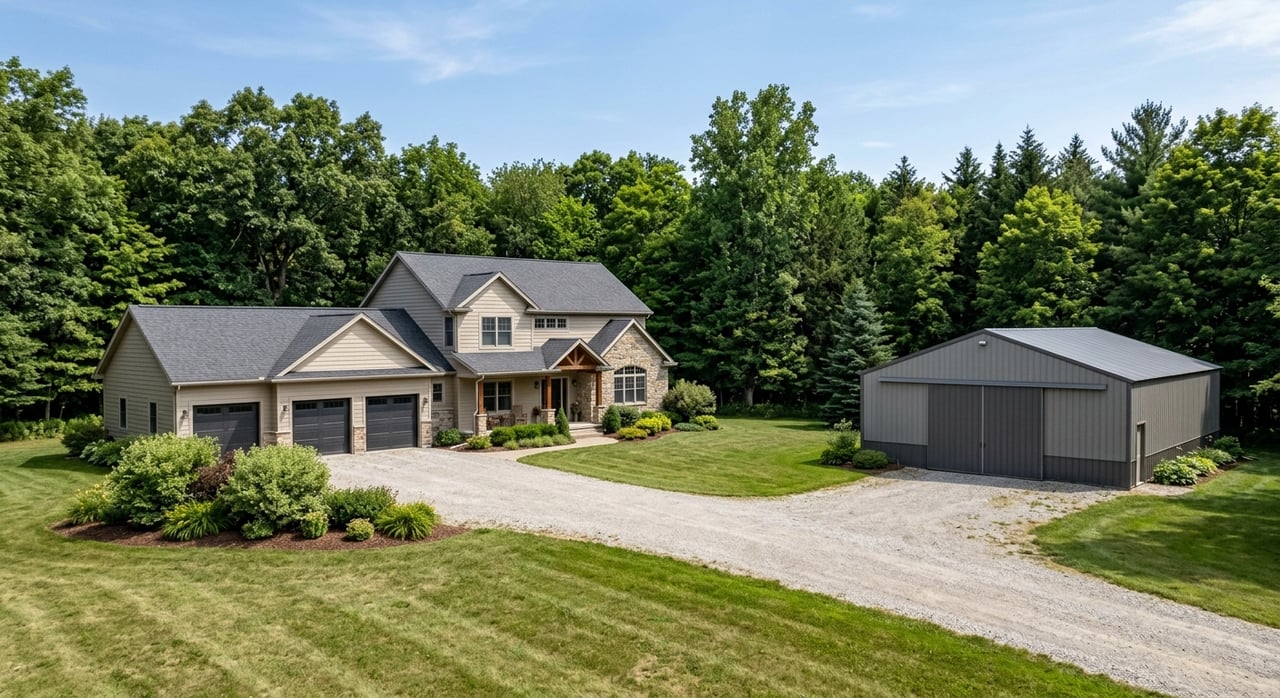
Acreage and hobby properties can be some of the most rewarding listings to sell in Franksville, but they can also be some of the easiest to misprice or misrepresent. If you own land with a house, barn, outbuildings, or room for animals, you already know buyers ask different questions than they do for a typical suburban home. This guide will walk you through what matters most before you list, how value is really measured, and what can help your sale move forward with fewer surprises. Let’s dive in.
Why Franksville acreage needs a different strategy
Selling acreage in Franksville is not just about square footage and finishes. Buyers also want to understand the parcel itself, including acreage, access, legal description, survey status, easements, utilities, and the condition or status of outbuildings.
That matters because larger and more rural-style properties often come with details that do not show up in a standard home search. In Racine County, parcel-based land information is available through the Real Property Lister, and recent recorded sales can help support pricing. At the same time, the county notes that tax-bill legal descriptions are abbreviated, surveys are not on file for every parcel, and easements may require a title search.
What drives value on acreage listings
Parcel details shape buyer confidence
For many Franksville buyers, the land is the headline feature. A clean understanding of lot size, boundaries, access points, and legal description can make your property easier to evaluate and easier to trust.
If those basics are unclear, buyers may hesitate or build more caution into their offers. That can affect both price and timeline, especially when a property includes multiple improvements or open land with possible future uses.
Outbuildings add value only when facts support them
Barns, sheds, detached garages, and similar structures can absolutely strengthen a listing. Still, they should be described carefully and in a way that matches what is actually allowed and documented.
Racine County states that accessory structures generally cannot be built on a vacant parcel until the principal structure is present or under construction. The county also provides a limited exception in agricultural districts for parcels of at least 10 contiguous acres intended for agricultural use that meet setback rules.
Zoning matters more than assumptions
One of the biggest mistakes sellers can make is marketing a property based on what they think should be allowed. Before advertising horses, boarding, additional structures, or future land-use potential, it is smart to confirm current zoning and town-level rules.
Racine County says its mapping program can help research a parcel, and animal-related uses can be more restricted at the town level than county code. The county also notes that a horse for personal use may be allowed, while a horse boarding operation requires conditional use approval.
Pre-listing steps that can prevent deal delays
Consider a current survey
A recent survey can be very helpful, even when it is not legally required. This is especially true if your acreage, driveway placement, lot lines, or use areas could become questions during negotiations or title review.
Racine County says its Real Property Listing department is the repository for county survey files, but not every parcel has a survey on file. If no survey exists, a seller may need to hire a surveying company. For many acreage listings, that extra step can reduce uncertainty before it shows up in the buyer’s due diligence.
Gather well records early
For rural and semi-rural properties, well information is important. Wisconsin treats private well protection and maintenance as the owner’s responsibility, so records can help buyers understand how the system has been maintained over time.
The Wisconsin Department of Health Services says private well owners should keep records of well work and testing. The agency also says owners should test for bacteria and nitrate annually, and arsenic and lead every five years.
Pull septic information before listing
If your property uses a POWTS septic system, buyers will want clear information on it. The Wisconsin Department of Safety and Professional Services states that these systems are regulated to protect public health.
Having records ready can make your listing feel more complete and better prepared. It also helps you answer practical buyer questions upfront instead of scrambling later in the transaction.
Price acreage using land comps, not just house comps
Acreage properties in Franksville often vary widely from one another. Two homes with similar square footage can have very different values if one has better access, a more usable parcel layout, clearer survey history, stronger utility setup, or more functional outbuildings.
That is why pricing should be grounded in recent land sales and parcel-specific comparables, not just nearby house sales. Racine County’s sales-comparison tool can search recorded sales from the past two years and filter by municipality, sale price, and multiple-parcel sale status, which is useful when comparing properties with different land and improvement mixes.
Be careful with hobby farm claims
“Could be” is not the same as “is allowed”
Hobby properties often attract buyers looking for flexibility. Still, your marketing needs to stay factual and current rather than aspirational.
If a property has a barn, fencing, or open acreage, that does not automatically mean it qualifies as agricultural land or supports every type of animal-related use. In Wisconsin, those questions depend on actual use, classification, zoning, and in some cases local approvals.
Agricultural use has a specific meaning
The Wisconsin Department of Revenue explains that farmland is assessed based on agricultural productivity, not development potential. It also says agricultural land is land devoted primarily to agricultural use, and that use-value applies to land only, not the entire property.
That is one reason an assessment and a market sale price can look very different on larger parcels. A seller may see a tax assessment that reflects use-value rules, while the market may value the property based on home features, land utility, improvements, and buyer demand.
Personal horse use is not always agricultural use
This point is easy to overlook. The Department of Revenue notes that a 10-acre parcel with a small stable and horses for personal use was not treated as agricultural use, while a horse-boarding operation can be agricultural or commercial depending on the facts.
For sellers, the takeaway is simple: avoid broad claims about agricultural status or business potential unless the facts clearly support them. Accurate positioning protects your credibility and helps buyers make informed decisions.
Understand disclosures and land classification
Match disclosures to the property type
Wisconsin disclosure requirements depend on what is being sold. The Department of Safety and Professional Services states that property with one to four dwelling units may require a Real Estate Condition Report, while real estate without buildings may require a Vacant Land Disclosure Report.
For acreage listings, that means the disclosure conversation should match the actual property configuration. A home on acreage is not the same as a purely vacant parcel, and the paperwork should reflect that difference.
Know how use-value can affect owner expectations
If your land has agricultural characteristics, it is worth understanding use-value assessment before you list. The Wisconsin Department of Revenue says use-value is based on agricultural productivity rather than development potential.
That does not mean your property will sell based on use-value. It simply helps explain why a tax assessment may not line up with what buyers are willing to pay in today’s market.
Conversion charges can matter
If land is marketed or actually used as agricultural land, a later change to residential, commercial, or manufacturing use can trigger a conversion charge. The Department of Revenue explains that the charge is based on the difference between county agricultural market value and use value, and that notice is tied to the assessment process.
This does not mean every buyer will face that outcome. It does mean sellers should be careful not to make casual assumptions about future use when discussing the property.
Answer buyer questions before they ask
The strongest acreage listings are clear, specific, and practical. Buyers tend to focus on the same core issues because those details affect both usability and closing readiness.
Before you list, make sure you can clearly address:
- What exactly is included in the sale
- The parcel’s legal description
- Whether a survey exists
- Whether any known easements affect the property
- What records are available for the well
- What records are available for the septic system
- The current zoning
- What uses are allowed today under current rules
When you answer these questions early, you reduce confusion and build confidence. That can help support stronger offers and smoother negotiations.
Use professional marketing the right way
Acreage properties often benefit from strong visual presentation. Wide-lot photography, outbuilding coverage, and aerial views can help buyers understand layout, access, and the relationship between the home and the land.
If drone photography or video is part of the marketing plan, it should follow FAA rules. The FAA says videography is a commercial purpose that requires a drone pilot certificate under Part 107, that drones used under Part 107 must be registered, and that some flights need airspace authorization.
For distinctive Franksville properties, professional presentation can make a big difference. Clear visuals paired with accurate property details help attract serious buyers while setting realistic expectations.
Why local guidance matters in Franksville
Acreage and hobby properties have more moving parts than the average listing. Pricing, zoning research, disclosure choices, survey questions, and utility records all shape how the market responds.
That is where experienced local guidance matters. When you work with a team that knows Racine County, understands how to position unique properties, and can build a fact-based marketing strategy, you put yourself in a stronger position from day one.
If you are thinking about selling acreage or a hobby property in Franksville, the Tony Veranth Team can help you price it carefully, market it professionally, and prepare for the questions serious buyers will ask.
FAQs
What affects the value of acreage property in Franksville?
- Value often depends on acreage, legal description, access, survey status, easements, utilities, outbuildings, zoning, and recent comparable land sales in Racine County.
Should you get a survey before selling acreage in Franksville?
- A current survey can be helpful if boundary lines, driveways, acreage, or use areas may be questioned, especially since not every parcel has a survey on file with Racine County.
Can you market a Franksville property as a hobby farm?
- You should be careful to market only what current facts support, including actual zoning, allowed uses, and whether any agricultural classification or animal-related use truly applies.
What well and septic records matter when selling rural property in Wisconsin?
- Buyers often want available records for well work, water testing, and septic system information because private well maintenance is the owner’s responsibility and POWTS systems are regulated for public health.
Why might a tax assessment differ from a sale price on Franksville acreage?
- If land is assessed under Wisconsin use-value rules, the assessment may reflect agricultural productivity rather than development potential or full market demand, so the assessed value and sale price can differ significantly.