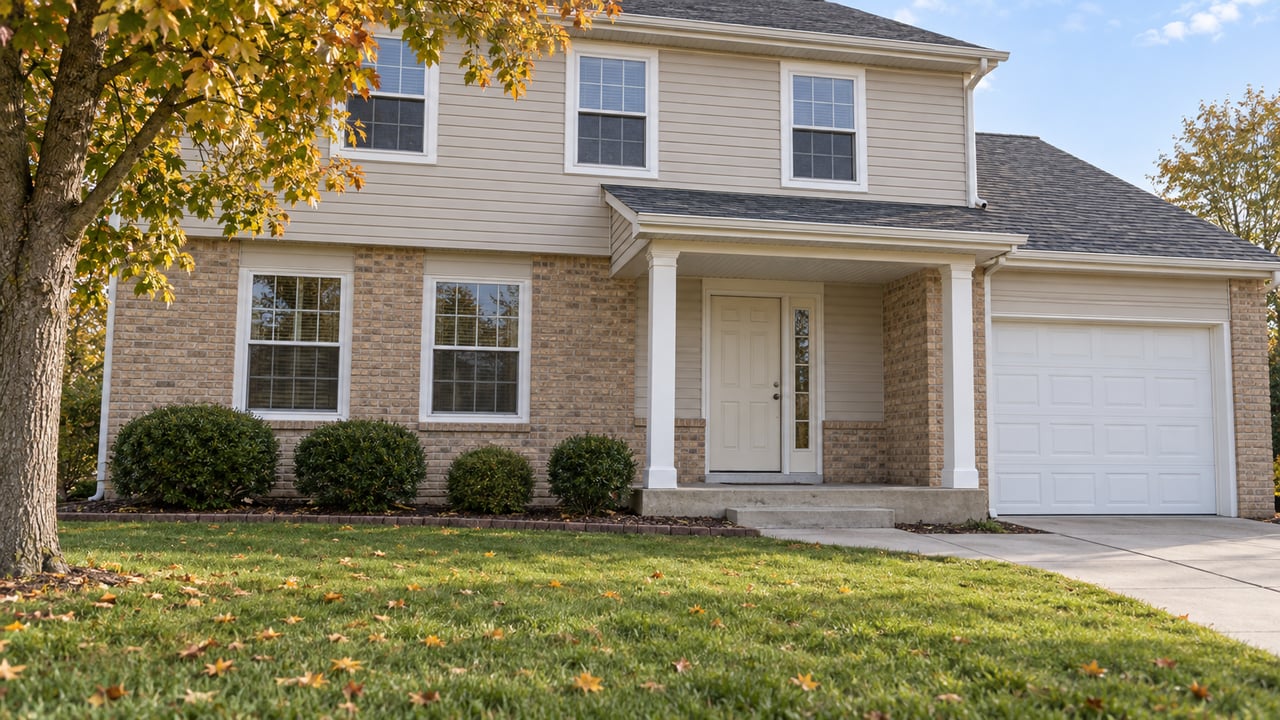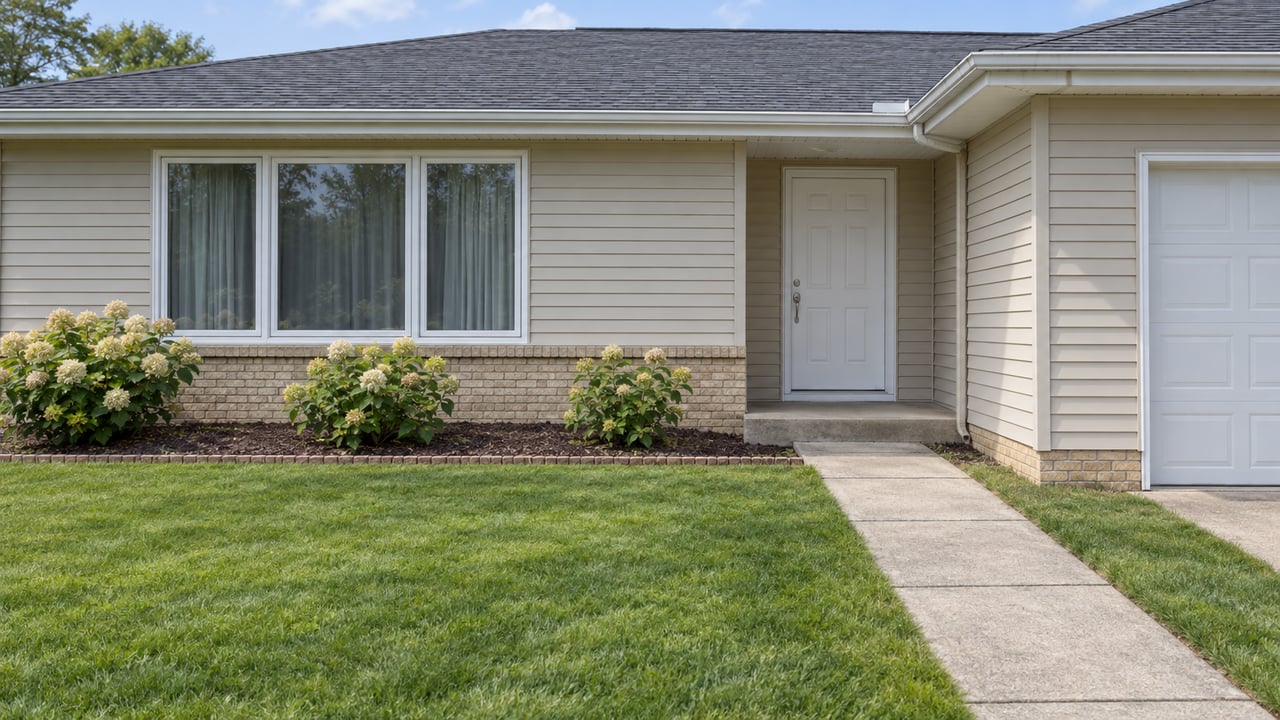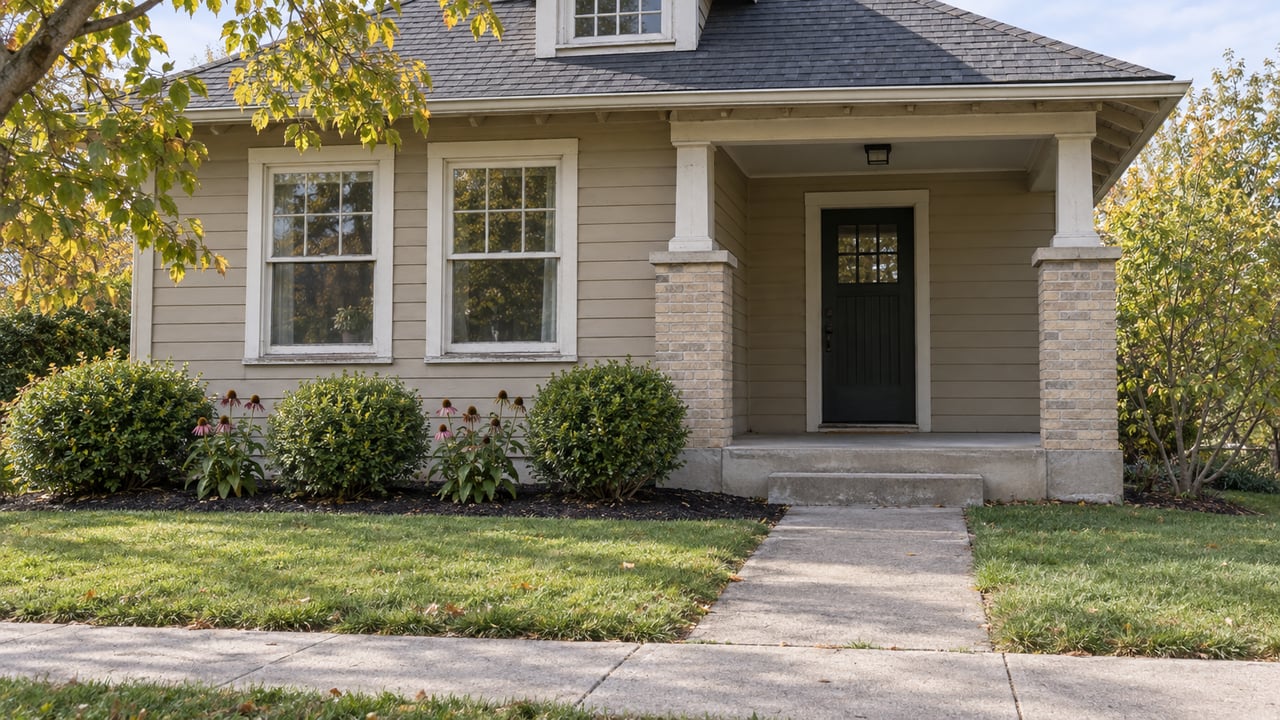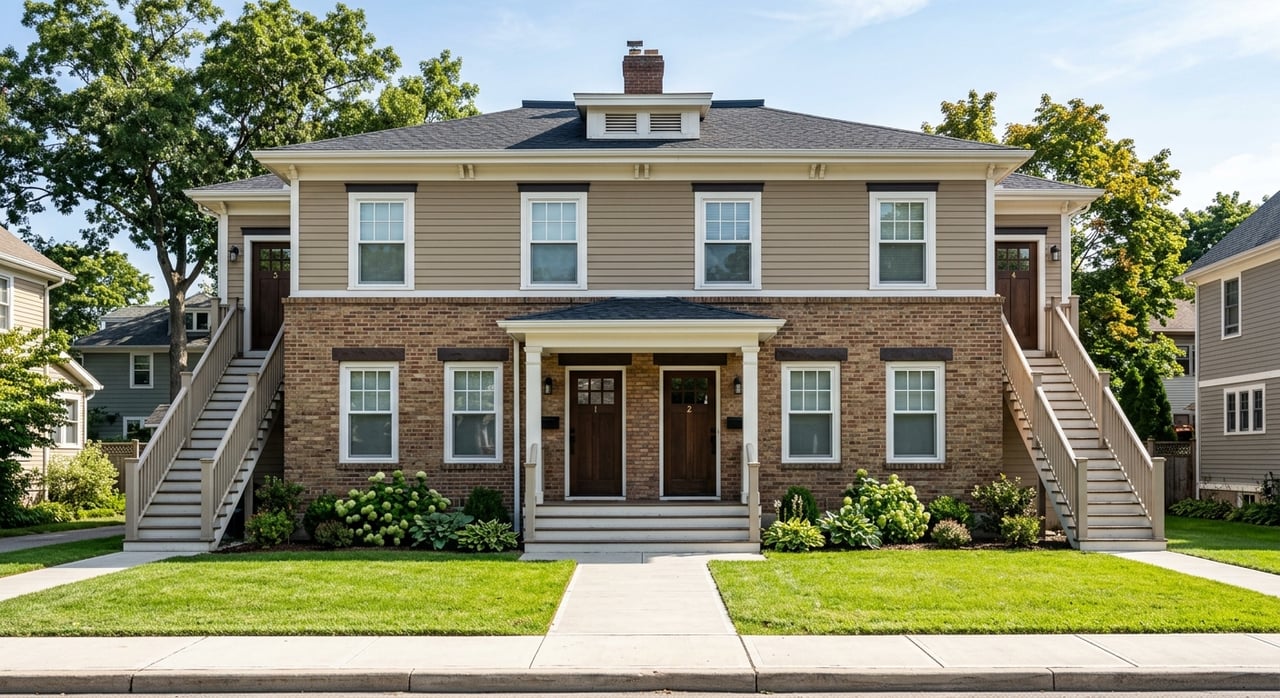
If you have been looking at multi-family investing near the Wisconsin-Illinois line, Racine and Kenosha deserve a serious look. These are not major-metro price points, but they are competitive markets with lower entry costs than Chicago and a housing supply that points to real opportunity for small investors. If you want a clearer picture of where duplexes, triplexes, and fourplexes may fit your goals, this guide will help you think through pricing, rents, property condition, and local due diligence. Let’s dive in.
Why Racine and Kenosha stand out
Racine and Kenosha offer a different investment profile than larger Midwest metros. In March 2026, Racine’s median sale price was about $219,000 and Kenosha’s was about $277,100, while Chicago was about $410,000 in the same period. That price gap helps explain why many buyers look at this corridor for more approachable entry points.
These markets are also moving at a steady pace. Homes averaged about 36.5 days on market in Racine and 35 days in Kenosha, and both markets were described as very competitive. For you, that means good opportunities can attract attention quickly, so preparation matters.
There is also a broader housing story behind the numbers. Racine’s 2025 to 2029 housing plan says the city does not have sufficient housing across income levels, with the shortage most severe for low- to moderate-income households. That does not guarantee returns, but it does support the idea that well-maintained rental housing remains important in the local market.
Small multi-family is the local sweet spot
In Racine, small multi-family properties are part of the city’s housing pattern, not a niche product. The city’s housing plan shows that 18% of housing units are in two- to four-unit properties, while another 7% are in five- to 19-unit properties. For many buyers, that makes duplexes, triplexes, and fourplexes the most practical place to start.
Racine’s housing stock also skews older. The same plan shows that 42% of units were built before 1950, and two- to four-unit structures average a 1916 build year. That often creates opportunity on price and value-add potential, but it also raises the odds that you will face deferred maintenance, aging systems, or layout quirks.
Kenosha offers a similar small multi-family story, though with somewhat newer housing overall. City planning documents note that single-family, two-family, and multi-family uses are all part of Kenosha’s residential pattern, and the housing chapter reports a median year built of 1960. In plain terms, you are still likely to encounter older buildings, just often not as old as what you may see in Racine.
Rent benchmarks to know before you buy
A smart multi-family purchase starts with realistic rent assumptions. For FY2025, Racine-Mount Pleasant fair market rent benchmarks were $788 for a one-bedroom, $901 for a two-bedroom, $1,149 for a three-bedroom, and $1,490 for a four-bedroom. In Kenosha, the city’s FY2025 rent index showed higher benchmarks: $1,111 for a one-bedroom, $1,447 for a two-bedroom, $1,944 for a three-bedroom, and $2,216 for a four-bedroom.
That spread is important when you compare deals across the corridor. On paper, Kenosha may support higher gross-rent ceilings than Racine. Still, those figures are benchmarks, not automatic asking rents, and they should be tested against the property’s condition, unit size, utility setup, and location.
Kenosha’s rent index also reported year-over-year increases of 10.8% on efficiency units and 6.5% on four-bedroom units. That suggests there has been upward movement in rent benchmarks, but it is still wise to stress-test your numbers. If you are buying an older duplex or fourplex, small changes in repairs, utilities, or vacancy can change the picture fast.
How property taxes can change the math
In Wisconsin, property taxes deserve special attention in any multi-family analysis. The Wisconsin Department of Revenue says property tax is the primary tax for local governments and reported $13.65 billion in gross property taxes levied in 2024 for collection in 2025. That alone tells you taxes are a major line item, not a small detail.
The classification of the property matters too. The state classifies apartment houses with four or more units as commercial property. For you, that means a fourplex may underwrite differently from a duplex, even when the buildings look similar from the street.
This is one reason local guidance matters so much. A property that appears attractive based on rent alone may feel very different once taxes, insurance, repairs, and turnover costs are added in. Looking at gross income without digging into the full expense picture can lead to bad assumptions.
Older buildings need a sharper inspection lens
The best opportunities in Racine and Kenosha often come with older buildings, and older buildings require a more disciplined walkthrough. In Racine, most rental buildings were built before 1978, which means lead-paint disclosure requirements are part of the process. That makes paperwork, condition records, and unit documentation more than just nice to have.
Racine also provides active rental oversight resources, including rental-property guidance, a landlord-tenant guide, a check-in and check-out form, and rental property registration tools. If you are buying an existing rental, those local resources help you understand what ownership and management will require after closing. They also reinforce the importance of getting organized before you take over leases or turn units.
In Kenosha, Housing Authority inspection guidance offers a useful look at common problem areas in older rental stock. Frequent failed inspection items include utilities not turned on at move-in, broken or missing appliances, unsafe porches, standing water, weak floorboards, faulty plumbing, leaks, infestations, and units that are not clean or ready for occupancy. Those are practical red flags you can use during showings and inspections.
What to check during due diligence
When you evaluate a small multi-family property in Racine or Kenosha, focus on the issues that most often affect cost, safety, and occupancy.
Physical items to review
- Roof age and visible wear
- Drainage around the building
- Porch and stair condition
- Basement moisture or standing water
- Plumbing leaks or outdated lines
- Electrical panel and service condition
- Floor stability and subfloor wear
- Pest or infestation history
- Appliance condition and completeness
- Utility setup for each unit
Paperwork and compliance items to confirm
- Legal unit count
- Current zoning classification
- Rental registration requirements
- Existing lease documents
- Move-in and move-out records
- Lead-paint disclosure where required
- Property tax history
- Inspection history if available
A clean-looking property is not always a well-documented one. In this corridor, you want both. The strongest deals are often the ones where the building condition, unit count, rent story, and compliance picture all line up.
Zoning and leasing matter as much as condition
A multi-family investment is not just a building purchase. It is also a legal use, an operating plan, and a management commitment. Kenosha’s zoning framework distinguishes single-family, two-family, and multi-family districts, so confirming how a property is classified should be part of your early screening process.
Racine’s fair-housing guidance adds another layer that matters in day-to-day ownership. The city warns against unreasonable occupancy limits and other discriminatory practices. That is a reminder that successful investing is not only about buying at the right price. It is also about leasing and managing the property in a lawful, consistent, and professional way.
Racine vs. Kenosha for investors
Both markets can make sense, but they may suit different strategies.
| Factor | Racine | Kenosha |
|---|---|---|
| Median sale price, March 2026 | About $219,000 | About $277,100 |
| Average days on market | 36.5 | 35 |
| Housing stock profile | More older small multifamily | Older stock, somewhat newer median build year |
| Typical investor angle | Lower entry point, value-add potential | Higher rent benchmarks, competitive pricing |
| Key caution | More rehab and systems replacement | Do not over-assume rents based on benchmarks |
Racine may appeal to you if you are looking for a lower entry point and are comfortable evaluating older properties with rehab needs. Kenosha may stand out if you want stronger published rent benchmarks and access to a county with a broad employment base tied to manufacturing, distribution, food processing, logistics, and the I-94 corridor.
Neither market is passive by default. In both places, the investor advantage often comes from better underwriting, faster due diligence, and stronger local relationships.
Why local execution can make or break a deal
Because these markets move in roughly a month and much of the compliance checklist is local, execution matters. You may need to verify unit counts, price repairs, confirm zoning, review taxes, and line up inspections quickly enough to stay competitive. That is hard to do well from a distance or without trusted local help.
This is where experience in the Racine and Kenosha corridor can save time and reduce risk. A seasoned local team can help you compare opportunities, spot red flags in older buildings, and connect the dots between price, condition, and long-term usability. That kind of local context is especially valuable in small multi-family deals, where a single roof issue, porch repair, or tax surprise can change your returns.
If you are weighing multi-family opportunities around Racine and Kenosha, the goal is not just to find a property that looks good online. It is to find one that works in the real world, with numbers, condition, zoning, and compliance all pulling in the same direction. When you want practical guidance on buying, selling, or evaluating investment property in this corridor, the Tony Veranth Team is ready to help.
FAQs
What types of multi-family properties are common in Racine?
- Racine has a meaningful share of two- to four-unit housing, and the city’s housing stock includes many older duplexes, triplexes, and fourplexes that can appeal to small investors.
Are rent benchmarks higher in Kenosha than in Racine?
- Yes. FY2025 published benchmarks were higher in Kenosha than in Racine across one-bedroom through four-bedroom unit types, but those figures are benchmarks and should not be treated as guaranteed asking rents.
Why do older multi-family buildings need extra due diligence in Racine and Kenosha?
- Many properties in the corridor were built decades ago, so issues like aging roofs, plumbing, porches, drainage, electrical systems, and lead-paint disclosure can play a bigger role in cost and compliance.
How do Wisconsin property taxes affect small multi-family investing?
- Property taxes are a major cost in Wisconsin, and the state classifies apartment houses with four or more units as commercial property, which can affect how a fourplex underwrites compared with a duplex.
What should you verify before buying a multi-family property in Kenosha or Racine?
- You should confirm legal unit count, zoning, taxes, building condition, rental documentation, and any local registration or disclosure requirements before moving forward.