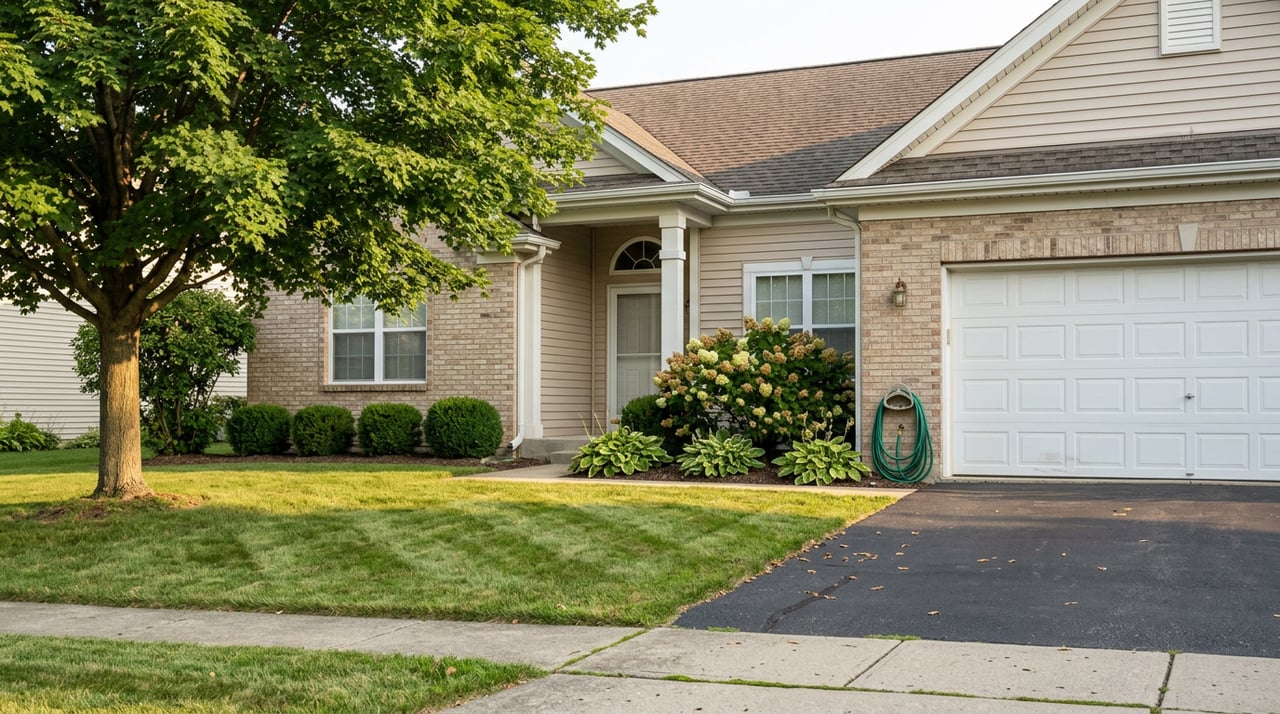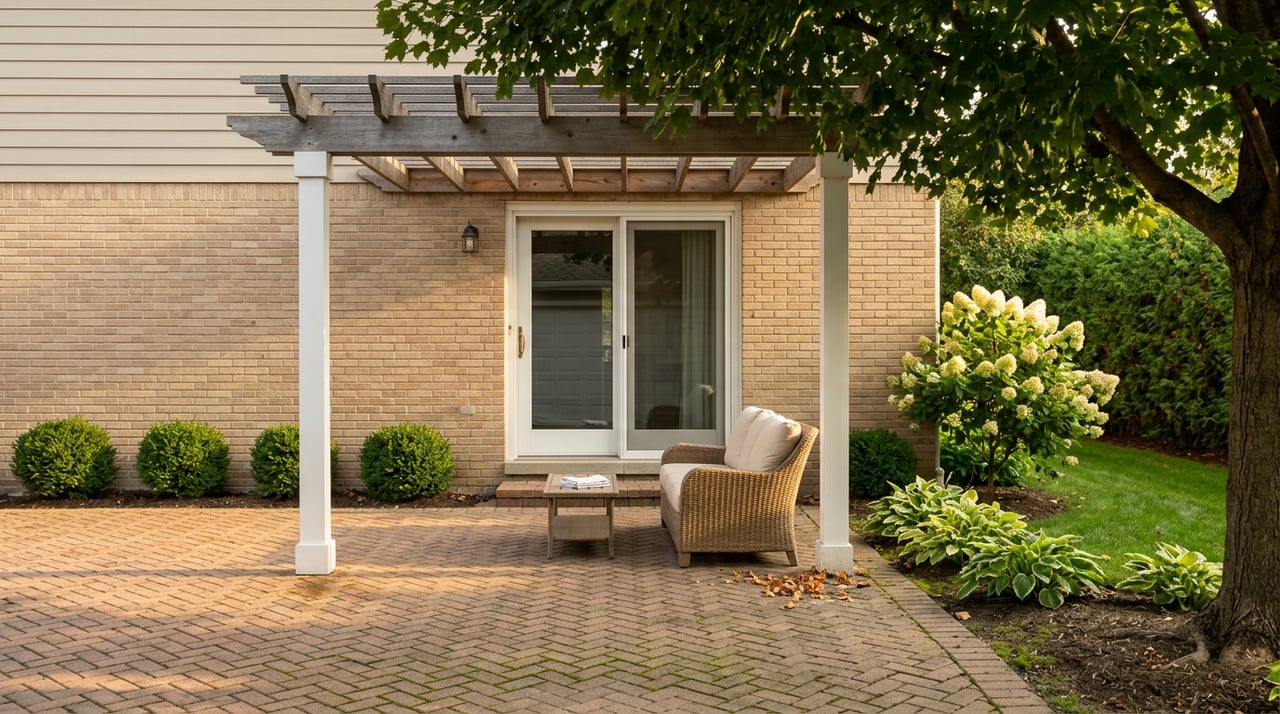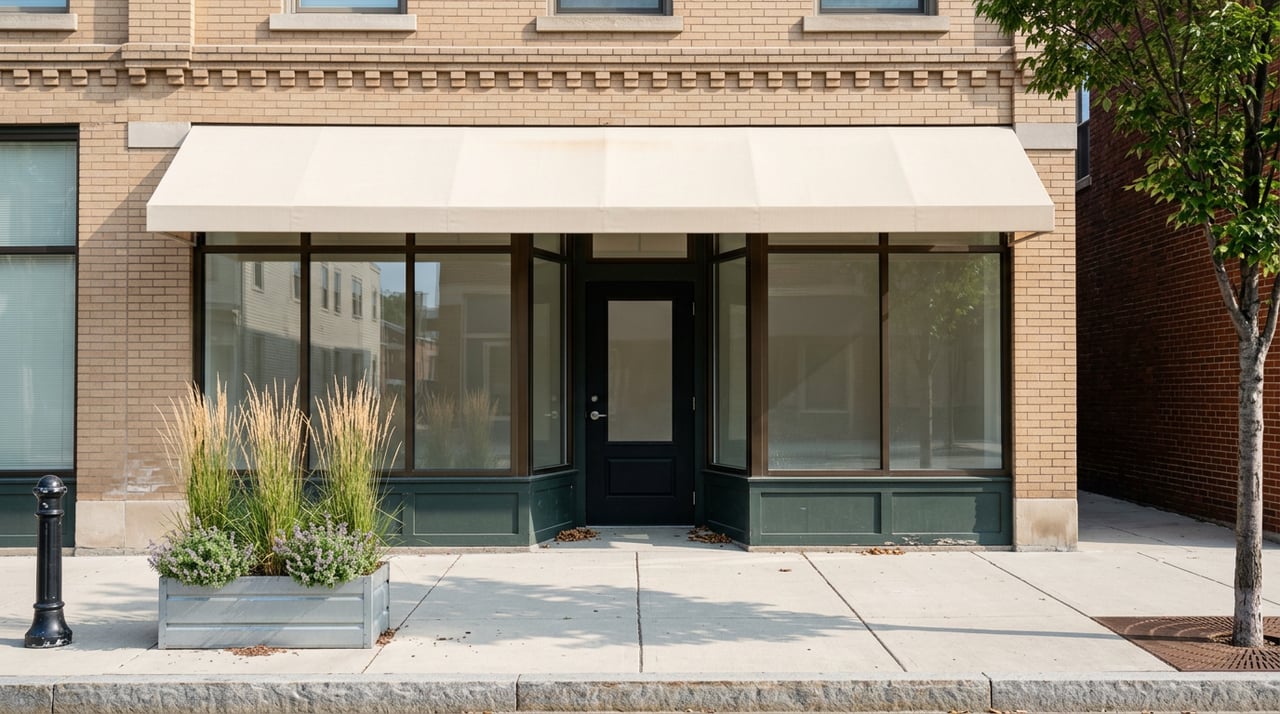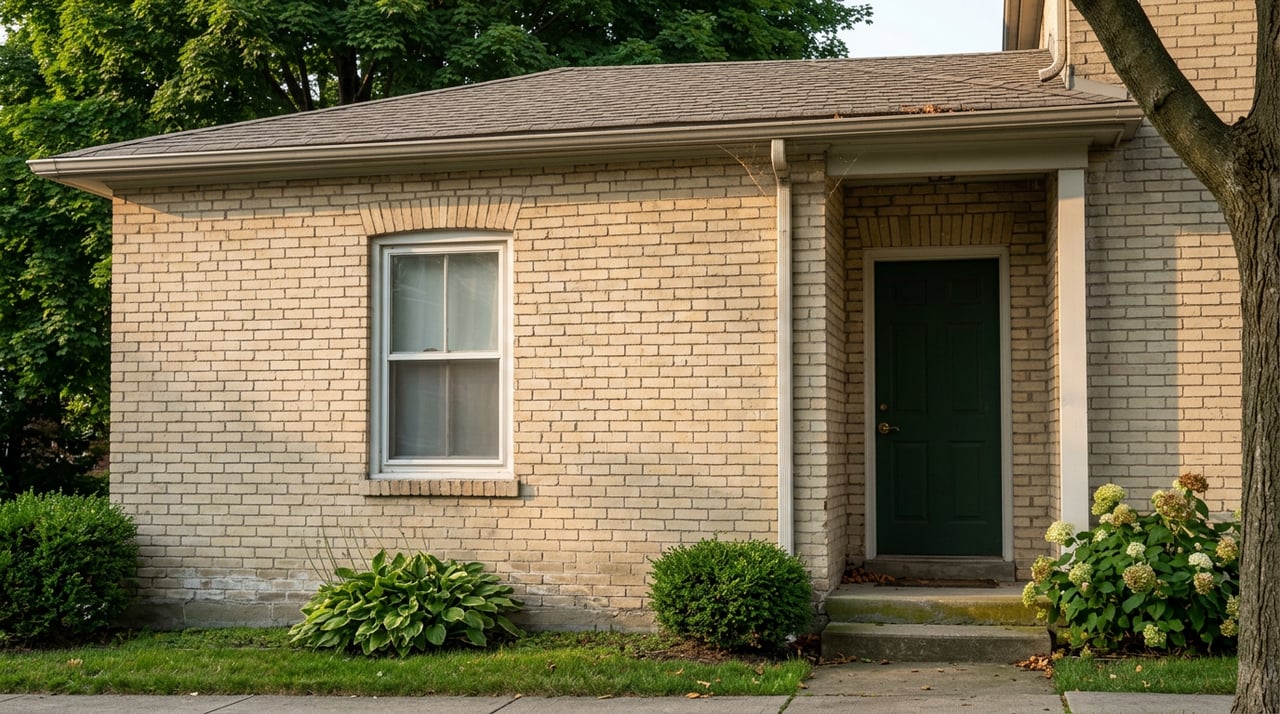
Racine County home values were pending offers in about 11 days as of late July 2026, and the county's median sold price sat at $303,100 as of May 2026, according to housing data compiled by Greater Racine County. That is a fast market by any measure. But if your house sits inside one of Racine's eight local historic districts and needs exterior work before it hits the market, a single repair can trigger a review process that takes up to 45 days from the day you submit an application to the day the city issues a written decision. Read those two numbers again. The market moves faster than the city's own approval calendar for the properties it has designated as worth protecting.
That gap, not the seller disclosure form, is what actually catches historic-home owners off guard in Racine. The paperwork is manageable once you understand what it asks. The commission calendar is the part nobody puts in a seller checklist.
Which "historic" are we even talking about
Racine has eight recognized local historic districts, each with its own construction story: the Historic Sixth Street District, the Melvin Avenue Residential Historic District, the Northside Historic District of Cream Brick Workers' Cottages, the Old Main Street Historic District, the Orchard Street Historic District, the Racine Rubber Company Homes Historic District (known locally as Rubberville), the Southside Historic District, and the Manree Park Residential Historic District.
Two of these illustrate why "historic" means very different things depending on which street you're on. The Northside district, roughly bounded by Goold, Erie, English, and Chatham streets, is built almost entirely from cream brick, a pale local material pulled from clay pits along Lake Michigan and fired in Racine's own brickyards between 1836 and 1914. Many of the cottages there date to 1881 through 1913 and were built with two layers of brick separated by an air gap, a solid masonry method that holds up differently than a modern brick-veneer wall over wood framing. Rubberville, by contrast, is 100 nearly identical duplexes the Racine Rubber Company built in 1919 to house its workers, laid out along narrow one-way streets specifically designed to discourage through traffic. A cream-brick cottage and a Rubberville duplex are both "historic," but they carry different age, different materials, and different repair histories.
If you don't know which district your property sits in or whether it carries an individual landmark designation, that's the first thing to confirm before you plan any exterior work, because the answer determines whether the city's review process applies to you at all.
The clock nobody puts in the seller packet
Under Racine's historic preservation ordinance, any exterior change to a designated landmark or a property that contributes to one of these districts needs a "finding of appropriateness" from the city's Planning, Heritage and Design Commission before a building permit can be issued. City staff can approve straightforward repairs and routine maintenance that clearly match the residential design guidelines the city updated in 2022. Anything outside that, a new roofline, replacement windows, a different siding material, has to go to the full commission.
That's where the timeline gets real. Per the ordinance, staff have ten days to complete their portion of the review, and the commission has up to 45 days from the date you submit your application to issue a written finding. Only after that finding comes back can you apply for the building permit itself and start the work.
Compare that to the pace of the market. If homes in Racine County are going under contract in about a week and a half, a 45-day commission review can outlast the entire time your house would otherwise be listed. Owners who wait until they've accepted an offer to discover a roof or siding issue needing exterior work are effectively starting a second, slower clock in the middle of a fast transaction. The fix is sequencing: if you know your home will need visible exterior repairs before it shows well, submit for the finding of appropriateness while you're still deciding on a list date, not after a buyer's inspection contingency has already started running.
What the disclosure form actually requires
Wisconsin's Real Estate Condition Report, required under state statute for most sales of one to four residential units, only asks you to disclose defects you actually know about. The law defines a defect as a condition that would meaningfully hurt the property's value, meaningfully affect health or safety, or shorten the home's expected life if left unaddressed. You are not required to guess at what a previous owner did to the wiring in 1974. You are required to say what you know.
That knowledge standard cuts both ways, though. If you complete the report and then learn something new before a buyer's offer is accepted, say a specialized pre-listing inspection turns up a foundation issue you hadn't previously noticed, state law requires you to submit an amended report. Wisconsin also tightened related guidance this year: revisions to the rule governing real estate licensee conduct took effect March 1, 2026, narrowing the standard for what agents must flag to actual known facts rather than speculative concerns. The theme across all of it is consistent. Actual knowledge triggers disclosure. Speculation does not, but new knowledge can reopen a report you thought was finished.
For homes built before 1978, which covers nearly everything in Racine's historic districts, federal law layers on an additional requirement: sellers must disclose any known lead-based paint hazards, provide the EPA's lead pamphlet, and give buyers a 10-day window to conduct their own lead inspection unless the contract shortens that period by agreement.
| Requirement | When it applies | What it triggers |
|---|---|---|
| Real Estate Condition Report | Most sales of 1-4 residential units | Disclosure of known defects only |
| Amended report | New info surfaces before an offer is accepted | A revised report before the buyer signs |
| Federal lead-paint disclosure | Homes built before 1978 | EPA pamphlet plus a 10-day inspection window |
Why the inspector you hire matters more than the form
A state-registered home inspector in Wisconsin has passed an exam and met licensing requirements, but registration alone doesn't guarantee experience with century-old construction. The Wisconsin Historical Society's own guidance for historic homeowners is direct about this: ask any inspector you're considering for references and examples of work specifically inside historic districts, not just general residential inspections. For owners who want something more thorough than a standard inspection, a historic preservation construction consultant can produce what's called an existing conditions report, a more detailed evaluation than a licensed home inspector is legally permitted to call a "home inspection," though it can't substitute for one in a purchase contract.
Before you hire anyone to inspect a cream-brick cottage or a Rubberville duplex, it's worth asking a few pointed questions:
- Have you inspected properties specifically inside a Racine historic district before?
- Can you tell the difference between original double-wythe masonry and a later brick-veneer addition?
- Do you document findings in enough detail to support a Real Estate Condition Report amendment if something significant turns up?
An inspector who can't answer these clearly is more likely to either miss something material or flag something as a defect that's actually normal for a 100-year-old solid masonry wall, and either outcome complicates a fast-moving sale.
The tax credit that can make your listing more interesting
If your home is listed on the National or State Register, or contributes to one of Racine's designated districts, it may qualify for Wisconsin's Historic Homes Tax Credit, a 25 percent state income tax credit for owner-occupied rehabilitation work. The catch that echoes everything above: you have to apply for and receive approval from the Wisconsin Historical Society's State Historic Preservation Office before you start the physical work, not after. Eligible projects need at least $10,000 in qualifying exterior work, things like roof replacement or exterior painting, though site work like driveways and landscaping doesn't count. The credit can be claimed year by year as costs come in, and Wisconsin's Department of Revenue allows unused amounts to carry forward for up to 15 years.
This matters for sellers on two fronts. If you're planning a rehab before listing, the pre-approval requirement means you need to build that lead time into your timeline right alongside the commission review. And if you're not planning to do the work yourself, the fact that this credit exists and transfers with an eligible property is a real selling point to mention to a buyer who's drawn to the idea of restoring a cream-brick cottage or a Rubberville duplex without absorbing the full cost themselves.
What this means for pricing against a newer comp
With Racine County homes pending in around 11 days and a countywide median sold price of $303,100 as of this spring, the current market rewards listings that are ready to show the day they go live. A character home competing against a newer comp down the street isn't at a disadvantage because it's older. It's at a disadvantage if it needs commission-approved exterior work that hasn't started yet, because that work sits on a different clock than the sale itself. The strongest position for a historic-district seller in this market isn't rushing a repair after accepting an offer. It's confirming your district status, your inspector's experience, and any needed commission review well before your sign goes in the yard.
Quick answers for Racine sellers
Do I need commission approval for interior work? No. The finding of appropriateness process applies to exterior changes visible from the street. Interior renovations aren't subject to this review.
What if I don't know whether my home contributes to a historic district? Check with the city's Planning Division before assuming either way. Contributing status and individual landmark designation both trigger the same exterior review requirement, and it's worth confirming before you plan any work rather than after a permit gets rejected.
Can I still sell as-is without doing any exterior repairs first? Yes. The Real Estate Condition Report only requires you to disclose what you know, not to fix it. Selling as-is and letting the buyer plan any exterior work, potentially with the tax credit in hand, is a legitimate strategy, particularly in a market moving this fast.
If you're weighing whether to start a repair, apply for a tax credit, or just list now, the sequence matters as much as the decision itself. The Tony and Chris Veranth Team has spent years walking Racine sellers through exactly this kind of timing, from cream-brick cottages on the north side to Southside landmarks near the lake. Request a free consultation and home valuation, and let's map out what your specific property actually needs before you put a sign in the yard.